What Are the Top Types of Solar Energy Panels?
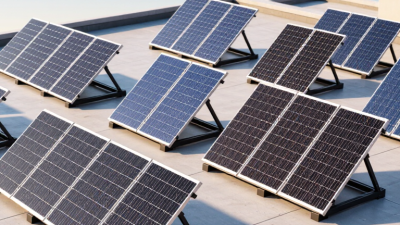
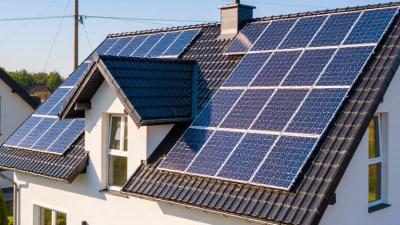
Choosing among solar energy panels starts with a practical question: what matters most at your site? Monocrystalline panels are widely used where roof space is limited. Polycrystalline modules may cost less, but typically offer lower efficiency. Thin-film panels are lightweight and adaptable, though they often need more area for comparable output. The differences are visible on a roof: module color, size, weight, and available space all shape the final choice.
Industry data gives this comparison real context. The International Energy Agency’s Renewables 2024 report forecasts about 5,500 gigawatts of new renewable power capacity between 2024 and 2030, with solar PV expected to provide nearly 80% of the increase. IRENA’s Renewable Power Generation Costs in 2023 reports that utility-scale solar PV’s global weighted-average electricity cost fell 12% that year, to $0.044 per kilowatt-hour. These figures describe broad market trends, not a guarantee of savings for every home. Numbers help, but location matters.
IEA Executive Director Fatih Birol called solar “the new king of electricity markets around the world.” His statement captures the sector’s momentum, yet panel labels can be confusing. Monocrystalline and thin-film describe material and construction; PERC, TOPCon, and heterojunction refer to cell designs used in many modern modules. This guide compares the leading types, their strengths, limitations, and best-fit applications. No single panel wins everywhere. Even efficiency figures can mislead when shade, heat, installation quality, or roof orientation gets overlooked.
How Solar Panels Are Classified by Cell Technology
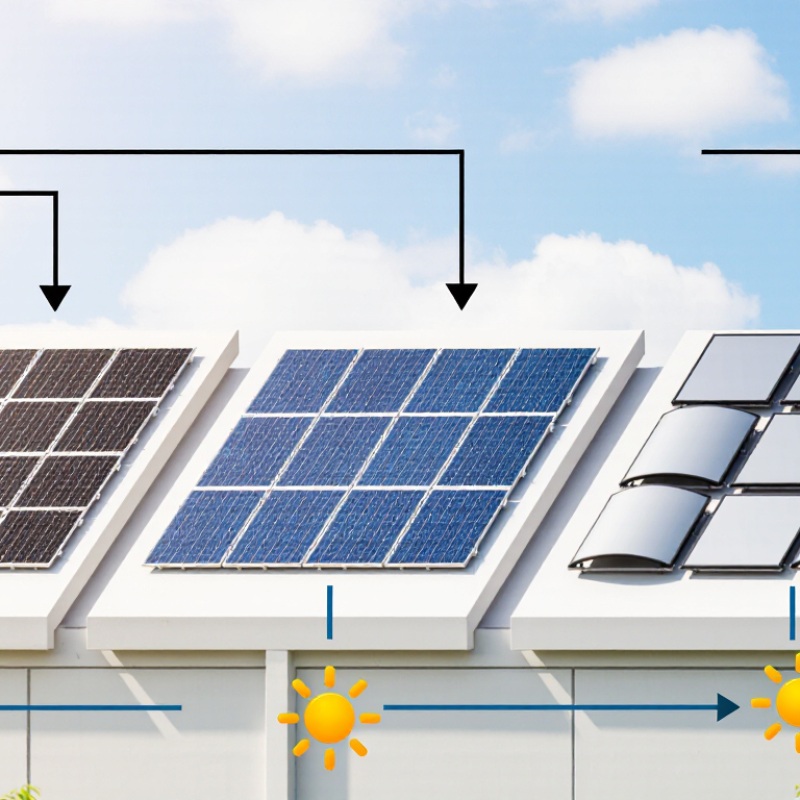
Solar panels are often grouped by the material and structure of their cells, not just by their appearance. Monocrystalline panels use cells cut from a single silicon crystal. They typically deliver more power per square metre than polycrystalline panels, which use multiple crystal fragments. That difference can matter on a small roof. Yet efficiency varies by model, and the label alone cannot predict yearly output.
Thin-film panels use very thin semiconductor layers, including cadmium telluride or copper indium gallium selenide. They can be lighter and more flexible than standard silicon modules, but often need more space for similar output. Within crystalline silicon, designs such as PERC, TOPCon, and heterojunction adjust how cells capture or manage energy. These are not always separate material categories. The terminology can mislead a little; compare actual specifications, not names alone.
Tips: Check the module’s efficiency, temperature coefficient, and degradation figures on its datasheet. A hot, partly shaded roof may change the practical choice. Ask how the proposed system performs under your roof’s conditions. Small detail, big difference.
How Monocrystalline Solar Panels Generate Electricity
Monocrystalline solar panels start with silicon wafers cut from a single crystal. Sunlight carries photons into each cell, where their energy frees electrons from silicon atoms. The cell’s p-n junction creates an internal electric field that pushes electrons and positively charged “holes” in opposite directions. Metal contacts collect this movement as direct current. An inverter then converts it into the alternating current used by household appliances.
The process is quiet, but not perfectly efficient. Some light reflects away, and some energy becomes heat on the dark surface. Cell design and installation conditions also affect output. NREL’s Best Research-Cell Efficiency Chart lists crystalline-silicon cells at 27.3% efficiency, a laboratory benchmark rather than a typical rooftop result. Fraunhofer ISE’s Photovoltaics Report describes commercial silicon modules that commonly exceed 20% efficiency. That distinction matters. A bright, cool day may improve production, while shade from one chimney can reduce it. Real roofs rarely match laboratory conditions, and treating a record cell figure as a household forecast would be misleading.
What Are the Top Types of Solar Energy Panels? - How Monocrystalline Solar Panels Generate Electricity
A comparison of common photovoltaic panel technologies and the steps that turn sunlight into usable electricity.
| Panel Type |
Common Material |
Indicative Commercial Module Efficiency |
Typical Characteristics |
How It Generates Electricity |
| Monocrystalline silicon |
Single-crystal silicon cells |
About 20–23% |
Usually offers high power output per unit area. Cells are commonly dark in appearance; performance and cost vary by design. |
Photons absorbed by silicon create electron–hole pairs. The cell’s junction separates these charges, producing direct current (DC) in an external circuit. |
| Polycrystalline silicon |
Silicon made up of multiple crystal grains |
About 15–18% |
Typically has lower efficiency per area than modern monocrystalline modules. Availability and product specifications vary. |
Light generates electron–hole pairs in the silicon. An internal electric field separates the charges so they can flow as DC current. |
| Cadmium telluride (CdTe) thin film |
Cadmium telluride semiconductor layers |
About 17–20% |
Uses thin semiconductor layers and can be manufactured in large-area modules. Efficiency depends on the product and module design. |
Photons absorbed in the semiconductor create mobile charges; the cell’s junction directs them to contacts, generating DC electricity. |
| Copper indium gallium selenide (CIGS) thin film |
Copper, indium, gallium, and selenium semiconductor layers |
About 12–18% |
Can be deposited as a thin layer on different substrates. Commercial module performance varies considerably by construction. |
Absorbed light creates charge carriers in the thin-film absorber. Internal electric fields and contacts collect them as DC current. |
| Amorphous silicon thin film |
Non-crystalline silicon |
About 6–10% |
Can be made as a lightweight, flexible thin film, but generally produces less power per area than crystalline-silicon modules. |
Light absorbed by the silicon creates charge carriers, which are separated and collected by the cell to produce DC electricity. |
How a Monocrystalline Solar Panel Generates Electricity
| Step |
What Happens |
Result |
| 1. Light absorption |
Photons from sunlight enter a silicon cell and transfer energy to electrons. |
Electron–hole pairs are created in the silicon. |
| 2. Charge separation |
A built-in electric field at the cell’s p–n junction pushes electrons and holes in opposite directions. |
Charges are separated, creating a voltage across the cell. |
| 3. DC current flow |
When the cell is connected to a circuit, electrons flow through the external path and deliver electrical power. |
The panel produces direct current (DC). |
| 4. Power conversion |
An inverter converts the panel’s DC output into alternating current (AC) for typical household use or grid connection. |
Solar electricity can power compatible equipment or be supplied to the electrical system. |
How Polycrystalline Solar Panels Differ from Monocrystalline Panels
Monocrystalline and polycrystalline panels both use silicon to turn sunlight into electricity, but their cells are made differently. A monocrystalline cell comes from a single silicon crystal, giving it a uniform, often nearly black appearance. Polycrystalline cells form from several silicon crystals and commonly look blue, with a faint mosaic-like pattern. The difference is visible up close. Monocrystalline panels typically deliver more power per square metre, which can help when roof space is tight. Polycrystalline panels may cost less in some markets, though prices vary and the gap is not guaranteed.
Efficiency is only part of the choice. A household with a large, unshaded roof may have room for either type; on a small roof, higher output per area can matter more. Panel performance also varies by model, temperature, installation angle, and shade. The color alone tells you little about yearly savings. That detail gets missed. Ask for an estimate based on your roof’s orientation and local sunlight, not just a panel’s peak rating. I would also compare usable roof area and expected annual output; a neat specification sheet cannot capture every real-world condition.
How Thin-Film Solar Panels Work and Where They Are Used
Thin-film solar panels use a very thin semiconductor layer, such as cadmium telluride or copper indium gallium selenide, applied to glass, metal, or flexible material. Sunlight excites electrons in this layer, producing direct current electricity. The layers are thin, but the finished panels are not automatically flexible. Their construction depends on the supporting material.
Thin-film modules can suit large, uniform sites and roofs where lower weight or a less rigid shape matters. Some products are integrated into building facades or used on curved surfaces.
Fraunhofer ISE’s 2024 Photovoltaics Report estimates that thin-film technologies account for roughly 3% of global module production. A small share.
NREL’s Best Research-Cell Efficiency Chart lists laboratory thin-film records above 20% for leading technologies, but those results are not typical module ratings. That distinction is easy to miss.
Thin-film panels may perform well in heat or diffuse light, yet their output per square metre is often lower than conventional silicon panels. Site measurements still matter. A shaded roof or poorly matched mounting system can erase an expected advantage.
How the Main Solar Panel Types Compare in Efficiency and Cost
Monocrystalline panels typically offer the highest efficiency, often around 19–23% at the module level. They produce more electricity per square metre, which matters on a small roof. Their upfront price is usually higher than that of standard polycrystalline panels, though installation, roof shape, and local labor can change the total. A higher efficiency rating does not guarantee a better bill: shade, orientation, and summer heat affect real output.
Polycrystalline panels generally cost less, but their lower efficiency—often roughly 15–19%—may require more roof area for the same rated capacity. They can suit open roofs where space is not tight. Thin-film panels vary widely by material; many are less efficient, so they need more area, but their lighter weight can help on surfaces that cannot support conventional modules. Some thin-film products also perform more steadily in heat or diffuse light. Details matter.
Compare installed cost per watt, usable roof space, and estimated annual production, not panel price alone. Ask for assumptions behind the estimate, including shading and weather data. Small print can hide big differences. I would also treat efficiency ranges as guides, not promises; product testing and installation quality still count.