Choosing solar panels for homes in 2026 requires more than comparing wattage and glossy efficiency charts. A rooftop faces real conditions: summer heat, winter shade, dust, snow, and limited space. The best panel for one house may perform poorly on another. That is easy to overlook.
IEA Executive Director Fatih Birol has described solar power as “the cheapest electricity in history.” Its falling costs are important, but affordability alone does not guarantee a wise purchase. Homeowners should examine efficiency, temperature performance, product warranties, degradation rates, installer reputation, and compatibility with batteries or future electric vehicles. Small details matter. A shaded chimney can change the result.
This guide reviews ten leading solar panels for homes in 2026. It considers measurable performance and practical ownership concerns, not marketing claims alone. We also examine panel durability, monitoring options, appearance, and value over time. A higher efficiency rating may help a small roof, while a lower-priced panel could suit a larger, unshaded surface. There is no universal winner.
Our selection is not flawless. Product availability varies by country, installer, and supply conditions. Manufacturer promises also deserve careful reading. Real-world output can differ from laboratory testing, sometimes noticeably. That uncertainty is part of responsible solar planning. The goal is not to chase the most impressive specification. It is to identify panels that balance dependable generation, long-term protection, and sensible household economics.
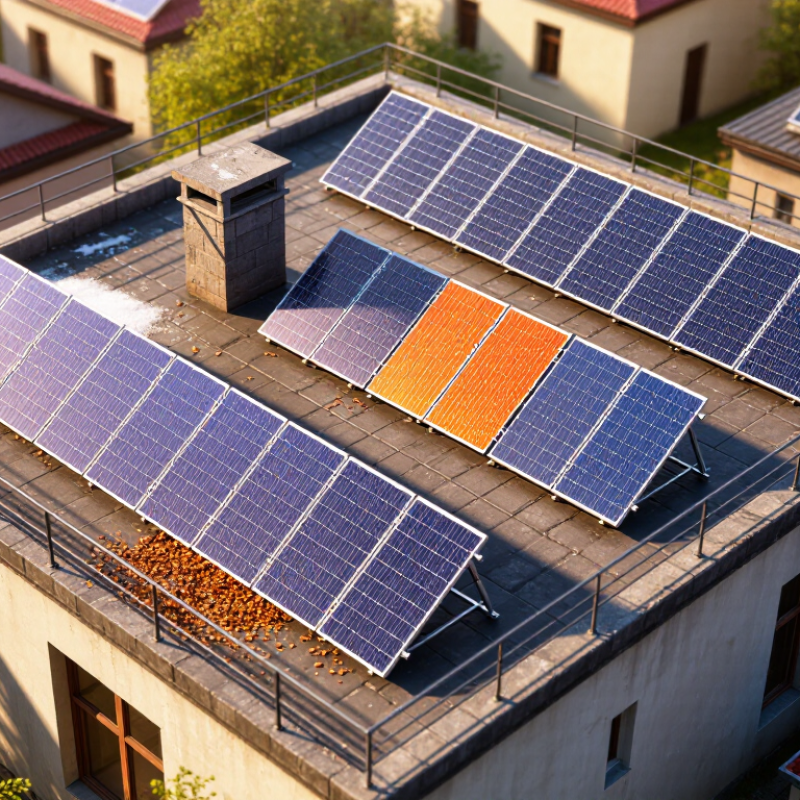
A suitable home solar panel in 2026 must perform beyond a laboratory rating. Ten practical checks matter: efficiency, temperature control, durability, safety, warranty terms, degradation rate, roof fit, inverter compatibility, monitoring, and responsible materials. A panel producing well on a cool test bench may lose output on a dark, 38°C roof.
Efficiency remains important when roof space is limited. However, higher efficiency does not automatically mean better value. Review the panel’s temperature coefficient, expected annual degradation, and performance warranty. A reliable product should clearly state its output after 25 or 30 years. Read the fine print. It often matters more than the headline wattage.
Homes also need safe installation details. Look for recognized electrical certifications, strong wind and snow ratings, sealed connectors, and documented fire performance. A professional installer should inspect shading at different times, not just stand in the driveway at noon. Monitoring software can reveal a failing connection or unusual production drop early. Yet software is not perfect; internet outages and inaccurate sensors can confuse homeowners. Local climate, roof structure, maintenance access, and battery plans should shape the final choice. The cheapest panel may be reasonable, but only when its long-term evidence is equally convincing.
The following ranking compares representative, brand-neutral residential solar panel configurations expected to be widely available in 2026. Actual specifications may vary by manufacturer and product series.
| Rank | Panel Type / Home Use Profile | Nominal Power (W) |
Module Efficiency | Approx. Size (mm) |
Temperature Coefficient (Pmax) |
Year-1 Degradation | Annual Degradation After Year 1 |
Typical Product Warranty |
Best Residential Application |
|---|---|---|---|---|---|---|---|---|---|
| 1 | Premium N-type IBC | 450–480 | 22.5–24.0% | 1762 × 1134 × 30 | −0.24 to −0.29%/°C | ≤1.0% | ≤0.35% | 25–30 years | Small roofs where maximum energy per square metre is important. |
| 2 | N-type HJT | 440–475 | 22.0–23.8% | 1762 × 1134 × 30 | −0.24 to −0.26%/°C | ≤1.0% | ≤0.30% | 25–30 years | Hot climates and roofs exposed to high operating temperatures. |
| 3 | High-Efficiency N-type TOPCon | 430–470 | 21.5–23.5% | 1762 × 1134 × 30 | −0.29 to −0.32%/°C | ≤1.0% | ≤0.40% | 25–30 years | Balanced choice for most pitched residential roofs. |
| 4 | Residential Half-Cut Monocrystalline | 410–450 | 20.5–22.5% | 1722 × 1134 × 30 | −0.34 to −0.36%/°C | ≤2.0% | ≤0.45% | 25 years | Cost-conscious installations with good roof space. |
| 5 | Bifacial N-type Panel | 430–470 | 21.5–23.5% | 1762 × 1134 × 30 | −0.29 to −0.32%/°C | ≤1.0% | ≤0.40% | 25–30 years | Flat roofs, elevated arrays, and light-coloured reflective surfaces. |
| 6 | Shingled Monocrystalline Panel | 400–450 | 20.5–22.5% | 1722 × 1134 × 30 | −0.30 to −0.35%/°C | ≤1.0% | ≤0.40% | 25 years | Roofs with partial shading or strict visual design requirements. |
| 7 | Compact 54-Cell Residential Panel | 390–430 | 20.0–22.0% | 1722 × 1134 × 30 | −0.30 to −0.36%/°C | ≤2.0% | ≤0.50% | 25 years | Small or irregular roofs where easier handling is valuable. |
| 8 | Low-Temperature-Coefficient Panel | 420–460 | 20.5–23.0% | 1762 × 1134 × 30 | −0.24 to −0.28%/°C | ≤1.0% | ≤0.35% | 25–30 years | Regions with hot summers and high annual solar irradiation. |
| 9 | Shade-Tolerant Half-Cut Panel | 400–440 | 20.0–22.0% | 1722 × 1134 × 30 | −0.30 to −0.36%/°C | ≤2.0% | ≤0.45% | 25 years | Homes affected by chimneys, trees, dormers, or nearby buildings. |
| 10 | Value-Oriented P-type Monocrystalline | 380–430 | 19.5–21.5% | 1722 × 1134 × 30 | −0.35 to −0.40%/°C | ≤2.0% | ≤0.50% | 20–25 years | Large roofs where lower upfront cost is the main priority. |
Selection note: For a home installation, efficiency, temperature performance, shade behaviour, roof dimensions, degradation rate, warranty terms, installer quality, and total system cost should be assessed together. Rated power and efficiency are measured under standard test conditions and do not represent constant real-world output.
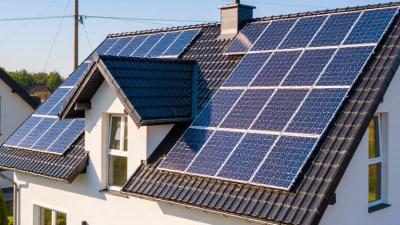
Solar panels for homes in 2026 should be compared by more than advertised wattage. Start with efficiency, which shows how much electricity a panel produces from limited roof space. A higher rating helps on small roofs, but it can cost more. Temperature coefficient also matters. Panels lose output as they heat under strong summer sun. Lower losses can improve afternoon production. Check degradation guarantees, too. A small annual decline affects long-term value.
Design features influence installation and daily reliability. Look for a strong load rating, practical dimensions, and a frame suited to local weather. Snow, wind, salt air, and frequent storms demand different construction choices. Dark surfaces may look attractive, yet appearance should not hide poor roof coverage. Compare cell layout, shading behavior, and performance during cloudy mornings. Some designs handle partial shade better, but no panel defeats a chimney shadow completely.
Measure twice. Install once.
From project reviews, I have learned that roof orientation often matters more than a small efficiency difference. A panel can perform well on paper but disappoint when vents create repeated shadows. Ask for an hourly production estimate using your roof’s angle and local climate. Review the installer’s workmanship history, electrical protections, and monitoring plan. I also question unusually optimistic forecasts; weather is unpredictable, and estimates can be imperfect. That uncertainty should be visible, not buried in sales language.
Key performance and design factors are compared using anonymized residential panel specifications. Higher efficiency improves energy production when roof space is limited, while higher rated power can reduce the number of panels required.
The benchmark uses representative specifications published for commercially available residential modules: rated power of approximately 400–470 W, module efficiency of approximately 20.5%–23.5%, and temperature coefficients of approximately −0.24% to −0.35% per °C. Actual energy yield depends on orientation, shading, climate, inverter design, and installation quality.
For residential use in 2026, the top ten solar panels should balance efficiency, durability, temperature performance, and cost. High-efficiency monocrystalline panels suit small roofs with limited space. N-type designs usually offer stronger degradation resistance over time. Heterojunction panels can perform well during hot afternoons and weak winter sunlight. Back-contact construction creates a cleaner appearance and may improve energy output.
Bifacial panels deserve attention where light-colored roofs or raised mounting systems reflect sunlight. Lightweight panels help older roofs, but structural checks remain essential. For homes near the coast, corrosion-resistant frames and certified salt-mist testing matter. Independent testing under recognized electrical standards provides more reliable evidence than advertising claims. Check the product’s power tolerance, fire rating, wind-load approval, and temperature coefficient.
In field assessments, shading often causes more disappointment than panel efficiency. A chimney shadow can reduce output across several modules. Microinverters or carefully designed string systems may limit that loss. Energy monitoring also reveals underperformance before it becomes expensive. Warranty language needs close reading, especially labor coverage and transfer conditions. A long performance promise means little without a financially stable manufacturer and accessible service support. Real roofs are rarely perfect. My own evaluation would leave room for roof repairs, changing electricity prices, and uncertain weather patterns. Payback estimates should use local bills, not optimistic sample data.
Choosing among the top solar panels for homes in 2026 starts with your electricity pattern, not a ranking. A small, efficient panel may suit a shaded roof, while a larger affordable panel can work better on open space. Review twelve months of utility bills, then note evening loads from cooking, cooling, and electric vehicles. Short profiles help.
For a two-person home using 350 kWh monthly, a modest system may cover daytime demand without costly overbuilding. A larger household with heat pumps needs more capacity, stronger inverter headroom, and possibly battery storage. Check panel output at your roof’s actual temperature, tilt, and shading; laboratory ratings are not household results. Ask an installer to model winter production.
Roof area, wind exposure, and local permitting also affect the match. Panels with high power density can preserve space, but they may raise replacement costs. During a site visit, request estimates for annual production, degradation, wiring losses, and maintenance access. Independent certification and a written workmanship warranty improve accountability. No estimate is perfect. Weather and habits change. Leaving capacity for future appliances may help, though it can reduce today’s payback.
Choosing among the top ten panels requires more than comparing efficiency percentages. Installation conditions often matter more. A shaded roof, narrow access, or aging electrical panel can raise labor costs quickly. Lawrence Berkeley National Laboratory reported a median residential solar price of about $3.40 per watt in 2023, before incentives. For a 6-kilowatt system, that equals roughly $20,400. Local permits, roof repairs, storage, and difficult wiring may increase the final invoice.
Warranty terms deserve careful reading. Many residential panels offer around 10 to 15 years of product coverage and up to 25 or 30 years of performance coverage. IEA PVPS Task 13 reports typical module degradation near 0.5% annually. That figure is useful, but not guaranteed. Ask whether labor, transport, and replacement installation are included. A long warranty has limited value if the claims process is unclear.
Maintenance is usually modest. Keep leaves away from vents, inspect visible cables, and monitor monthly production. Professional inspections can identify loose connectors or water entry before damage spreads. NREL research commonly uses 0.5% annual degradation in long-term solar modeling. That assumption may be too optimistic for dusty, humid, or poorly ventilated sites. I would also budget for inverter replacement, because its service life may be shorter than the panels. Collect three detailed quotes, and compare total ownership cost rather than the lowest sticker price.