Why Are Global Buyers Getting Solar Panels?

Global buyers are getting solar panels for practical reasons, not only environmental ideals. Falling module prices, higher electricity bills, and stronger energy-security concerns are changing household and business decisions. The International Energy Agency reported that global renewable capacity additions reached almost 510 gigawatts in 2023. Solar power supplied roughly three-quarters of that growth. This shift is visible on rooftops, factory warehouses, and small commercial car parks.

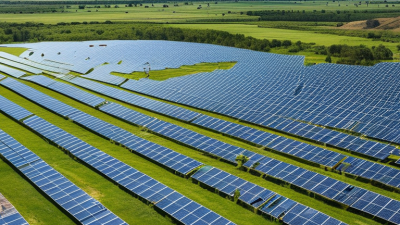
The numbers are significant. IRENA’s Renewable Capacity Statistics 2024 recorded about 1,419 gigawatts of installed solar capacity worldwide at the end of 2023. The IEA also expects solar photovoltaic power to remain the largest source of renewable expansion through 2030. “Solar PV is the new king of electricity markets,” said Fatih Birol, Executive Director of the IEA, in the agency’s Renewables 2023 analysis. His statement reflects market momentum, but it should not encourage careless purchasing. A low panel price does not guarantee a low lifetime cost.

Buyers are examining warranties, inverter quality, installation records, and local sunlight conditions. They are also asking harder questions about battery storage and grid connection delays. That is progress. Still, the industry has weaknesses. Product durability can vary, and advertised savings may overlook maintenance or financing costs. The best purchasing decision therefore combines current performance data with realistic household usage. Getting solar panels can reduce exposure to volatile power prices, but it is not automatically the right answer for every building. Roof angle, shading, local regulations, and installer expertise still matter. Industry growth is impressive. Consumer judgment matters more.
Why Are Global Buyers Getting Solar Panels?

What Solar Panels Are and How They Generate Electricity

Why Are Global Buyers Getting Solar Panels?

Solar panels are devices that convert sunlight into electricity. Most residential panels use photovoltaic cells made from semiconductor materials. When sunlight reaches a cell, its energy disturbs electrons and creates direct current, or DC electricity. The panel does not store power by itself. It only produces energy while light is available.

An inverter changes DC electricity into alternating current, which household appliances can use. Wires then carry power through a meter and an electrical distribution board. On a clear afternoon, a panel may produce strong output. Clouds, dust, shade, roof direction, and high temperatures can reduce it. Even a small shadow across one section can affect the whole array.

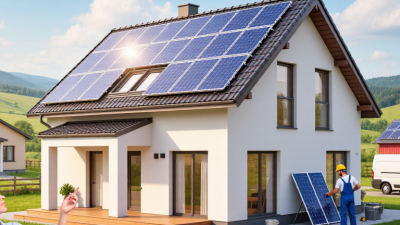
Practical installation requires more than placing panels on a roof. A qualified professional checks roof strength, cable protection, electrical safety, and local grid requirements. Output should be measured over time, not judged from one sunny day. Buyers sometimes expect the system to work perfectly in every season. That expectation needs correction. Weather changes. Equipment also loses a small amount of efficiency with age. In field reviews, I have seen clean panels perform better than neglected ones, although cleaning schedules depend on rainfall and site conditions. Battery storage adds flexibility, but it also adds cost, weight, maintenance, and conversion losses. A careful assessment should compare annual sunlight, electricity use, roof condition, and realistic production estimates before installation.

Why Global Buyers Are Increasingly Choosing Solar Energy

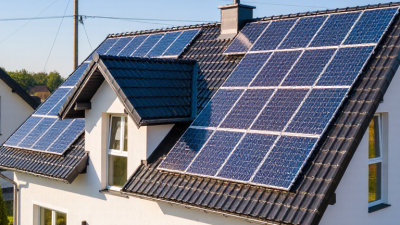
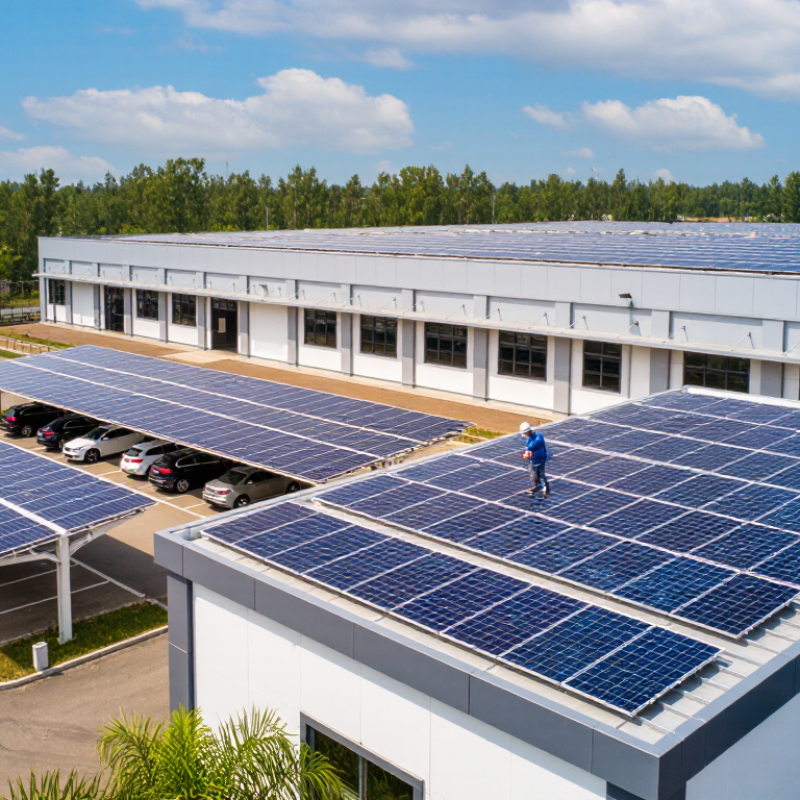
Global buyers are increasingly choosing solar energy to manage rising electricity costs and improve energy security. Homes, farms, warehouses, and small offices can generate power directly from unused roof space. A typical system uses panels, an inverter, mounting equipment, and sometimes battery storage. It is practical. During daylight hours, the system can support appliances, pumps, refrigeration, or office equipment. Excess electricity may be exported, depending on local grid rules.

The strongest buying decisions usually begin with a site assessment, not a sales promise. Roof direction, seasonal shade, structural strength, local weather, and household consumption all affect performance. A buyer should request clear production estimates and check installer qualifications, equipment warranties, maintenance terms, and grid-connection requirements.

In areas with unreliable supply, batteries can keep lights and essential devices running after sunset. However, batteries add cost, weight, and eventual replacement needs. Not every roof qualifies.

Solar energy is not effortless, and its financial return differs widely between regions. A large system may produce impressive annual figures but still waste energy if daytime demand is low. Dust, high temperatures, snow, and nearby trees can reduce output. Payback calculations also depend on tariffs, financing, taxes, and future electricity prices. A careful buyer should compare several independent quotations and review actual energy bills. Some estimates look attractive. Real conditions can be less generous. Even so, properly designed systems can reduce grid dependence and provide more predictable long-term energy costs.

The Main Economic and Environmental Benefits of Solar Panels

Why Are Global Buyers Getting Solar Panels?

The Main Economic and Environmental Benefits of Solar Panels

Global buyers are choosing solar panels to control electricity costs and reduce exposure to changing energy prices. A rooftop system can generate power during daylight, when many homes, offices, and workshops are active. This may lower monthly bills, although savings depend on sunlight, roof direction, local tariffs, and system size. Not every roof works.

In practical planning, buyers should compare installation costs with expected annual production. A professional assessment can check shading from trees, nearby buildings, and seasonal weather patterns. Panels usually operate for decades, but inverters and wiring may need earlier replacement. The payback calculation is not always tidy. Financing costs, maintenance, grid rules, and battery storage can change the result.

Solar power also reduces emissions from electricity generated with coal, oil, or natural gas. It can improve air quality near communities, especially where fossil-fuel plants serve growing demand. Yet panels are not impact-free. Manufacturing requires energy and raw materials, while transport and end-of-life recycling need careful management. This detail is easy to overlook. Responsible buyers should request clear performance data, realistic production estimates, warranty terms, and recycling plans. Environmental benefits become stronger when equipment lasts longer and is installed where sunlight is dependable. A smaller, well-positioned system may outperform a larger system placed under regular shade.

Why Are Global Buyers Getting Solar Panels? - The Main Economic and Environmental Benefits of Solar Panels

Benefit Area Measured Dimension Verified Data Why It Matters to Global Buyers Reference
Market Growth Global installed solar capacity Approximately 1,419 GW at the end of 2023 A large and expanding global market supports long-term demand, investment, installation, and maintenance opportunities. IRENA, Renewable Capacity Statistics 2024
Cost Competitiveness Utility-scale solar electricity cost Average global levelized cost fell from about US$0.460/kWh in 2010 to US$0.044/kWh in 2023, a decline of approximately 90% Lower generation costs can improve project economics and reduce exposure to fossil-fuel price volatility. IRENA, Renewable Power Generation Costs in 2023
Operating Expenses Fuel requirement during operation Solar photovoltaic systems generate electricity without purchasing fuel Buyers can avoid ongoing fuel expenses and reduce sensitivity to changes in coal, gas, and oil prices. U.S. Department of Energy, Solar Photovoltaics Overview
Energy Security Energy source availability Solar energy is available worldwide, although output varies by location, season, and weather Domestic solar generation can diversify electricity supply and reduce dependence on imported fuels. International Energy Agency, Renewables 2023
Climate Impact Life-cycle greenhouse-gas emissions About 48 g CO₂-equivalent per kWh for solar photovoltaic electricity, compared with approximately 820 g for coal and 490 g for natural gas Solar can substantially reduce emissions over its full life cycle when it replaces higher-emission electricity sources. IPCC, AR5 Working Group III, Annex III
Air Quality Direct operating emissions No direct combustion emissions of sulfur dioxide, nitrogen oxides, or particulate matter during electricity generation Replacing combustion-based generation can help reduce local air pollution and related public-health risks. U.S. Environmental Protection Agency, Renewable Energy Resources
Resource Consumption Water use during electricity generation Solar photovoltaic generation generally requires very little water during operation compared with thermoelectric power plants Lower operational water demand is valuable in regions facing water scarcity or drought risk. U.S. Department of Energy, Energy-Water Nexus
Employment Solar photovoltaic jobs worldwide Approximately 4.9 million jobs in 2023 The sector contributes to employment across manufacturing, engineering, construction, installation, and maintenance. IRENA and ILO, Renewable Energy and Jobs – Annual Review 2024
System Flexibility Integration with storage and smart grids Solar systems can be combined with batteries, demand response, and grid interconnection Hybrid systems can improve self-consumption, provide backup power, and help manage variable solar output. International Energy Agency, Renewables 2023

Note: Costs and emissions vary by country, technology, financing conditions, system design, resource quality, and grid mix. Capacity and employment figures are global estimates for the stated reporting year.

How Solar Panels Support Energy Security Around the World

Why Are Global Buyers Getting Solar Panels?

How Solar Panels Support Energy Security Around the World

For many communities, energy security means keeping essential services running when fuel deliveries fail. Solar panels can generate electricity close to homes, farms, clinics, and small businesses. That local supply reduces reliance on distant power plants and imported fuels. It also helps protect budgets from sudden fuel price increases. A school with rooftop panels may keep lights, internet equipment, and refrigeration operating during daytime outages.

Solar works best as part of a carefully designed system. Batteries can store midday electricity for evening use, while efficient appliances reduce demand. In remote areas, solar and storage can support water pumps or medical refrigerators without extending expensive transmission lines. Grid-connected systems can also provide extra power during periods of high demand. Proper installation matters. Engineers must assess sunlight, roof strength, wiring, weather exposure, and local safety standards.

Solar is not flawless. Clouds still matter. Batteries remain costly, and panels need responsible end-of-life handling. Poor planning can also create maintenance problems or overload weak local grids. Buyers should examine warranties, cleaning needs, replacement parts, and installer qualifications before purchasing. A cheaper system may become expensive if its battery fails early. Energy security requires more than buying panels; it requires realistic forecasts, trained technicians, clear regulations, and regular performance checks. Some projects will underperform, and that possibility deserves honest planning.

Key Factors Buyers Consider Before Purchasing Solar Panels

Global buyers evaluate solar panels through practical needs, not excitement alone. They check roof direction, afternoon shade, local sunlight, and annual electricity use. A south-facing roof may perform well, but nearby trees can reduce output sharply. In hot regions, temperature performance matters because panels produce less power as heat rises. Coastal buyers should also examine corrosion resistance and installation quality. Small details matter.

Price remains important, but the cheapest quotation can create expensive problems. Buyers compare the panel’s efficiency, expected degradation, product warranty, and performance warranty. They should request independent test documents and clear warranty conditions. A qualified installer should explain permits, grid connection rules, roof loading, and maintenance access. Ask for itemized costs. Vague estimates deserve caution. Battery storage also needs careful thought, especially where electricity prices, outages, or export payments vary.

Real experience often reveals what brochures miss. A homeowner may notice dust after a dry month, reduced output from one shaded panel, or loose monitoring data. Buyers should ask how often systems are inspected and who handles technical support. Comparing predicted production with measured output builds trust over time. I would also check the installer’s completed projects and customer references, not only online reviews. No solar system is perfectly maintenance-free, and assuming otherwise is a common mistake. Recycling arrangements and safe component replacement deserve attention before purchase.