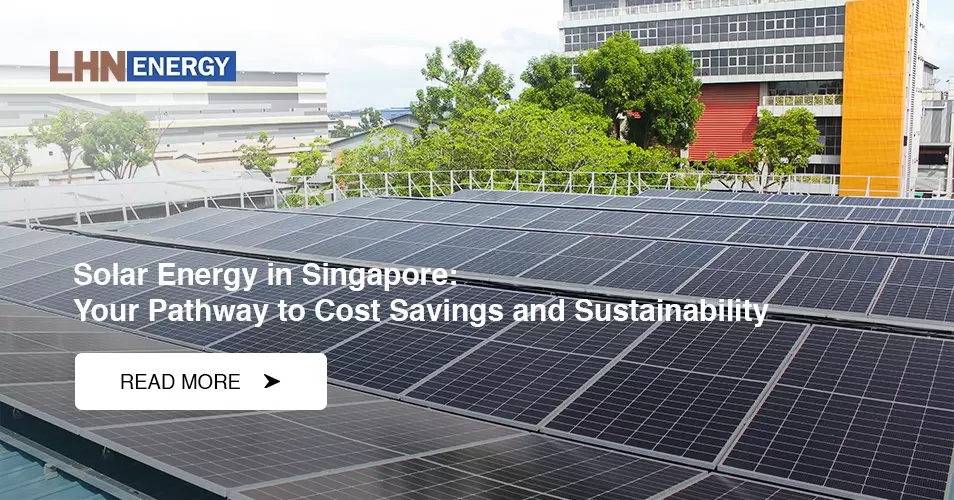
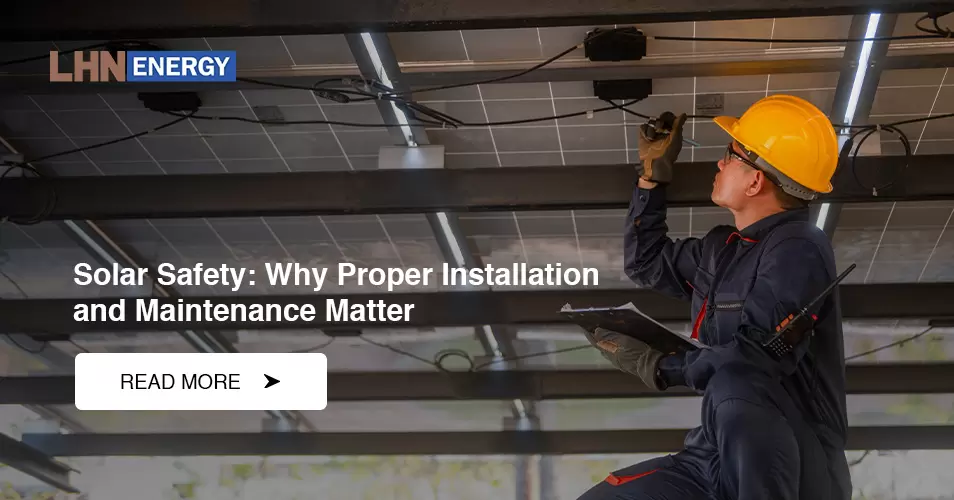
Solar power has quickly become one of Singapore’s most attractive long-term investments. As electricity prices continue to fluctuate and the nation accelerates its Green Plan 2030 goals, switching to solar allows property owners to lock in predictable energy savings, reduce carbon emissions, and increase property value. However, despite these benefits, solar safety must always come first.
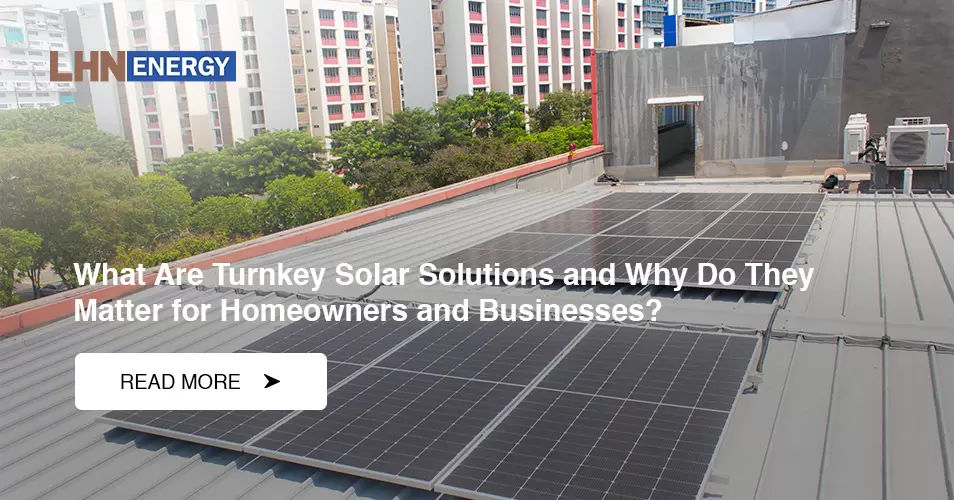
Singapore’s shift toward renewable energy is accelerating, with more homeowners and businesses installing solar panels to reduce electricity costs and improve sustainability. However, for many property owners, the biggest challenge is not the solar system itself. In fact, it is the complexity of managing design, installation, approvals, financing, and maintenance. Fortunately, turnkey solar solutions are here to make a difference. In this guide, we explore what these solutions are and why they matter for users.
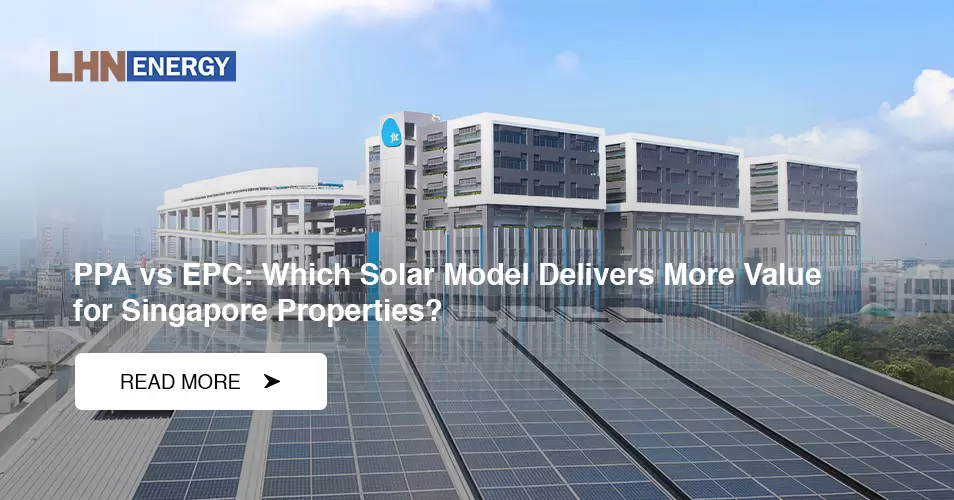
As solar adoption rises across Singapore, more property owners and Management Corporation Strata Titles (MCSTs) are turning to renewable energy. They are increasingly looking for ways to reduce operating costs, strengthen sustainability efforts, and meet Green Mark targets. The most common question when choosing a solar model today is whether to go with PPA vs EPC. So, how do these two approaches differ? Let’s explore.
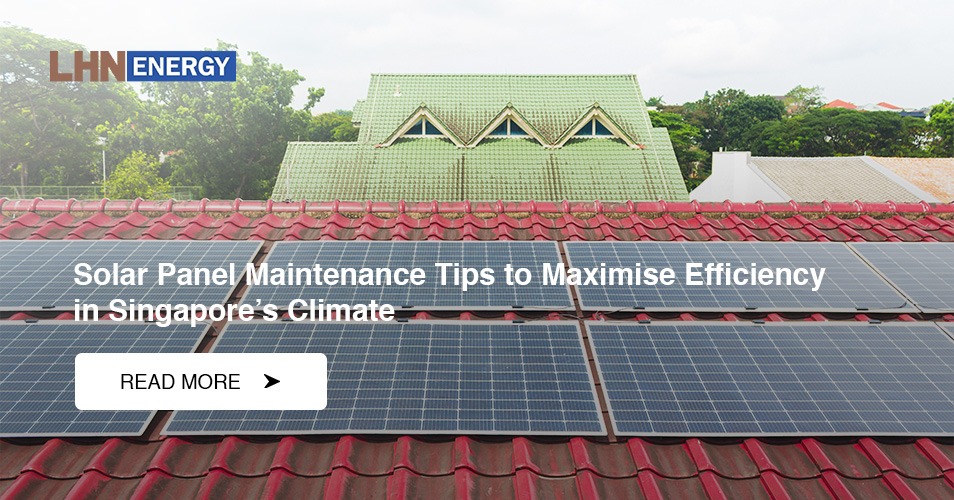
Singapore’s climate can be both a blessing and a challenge for solar energy. With abundant sunshine year-round, it’s the perfect environment for harnessing clean energy. However, humidity, frequent rain showers, and occasional haze can impact the performance of your solar panels if they’re not properly cared for.
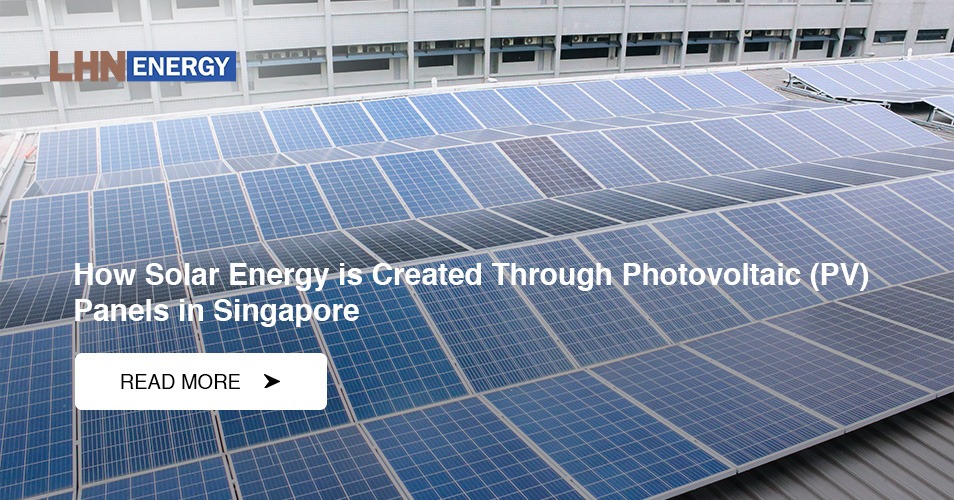
Switching on the lights, powering your laptop, or keeping the aircon running—electricity powers almost every part of daily life in Singapore. But with rising energy costs and growing environmental concerns, many are asking: Is there a cleaner, smarter way to power our future?
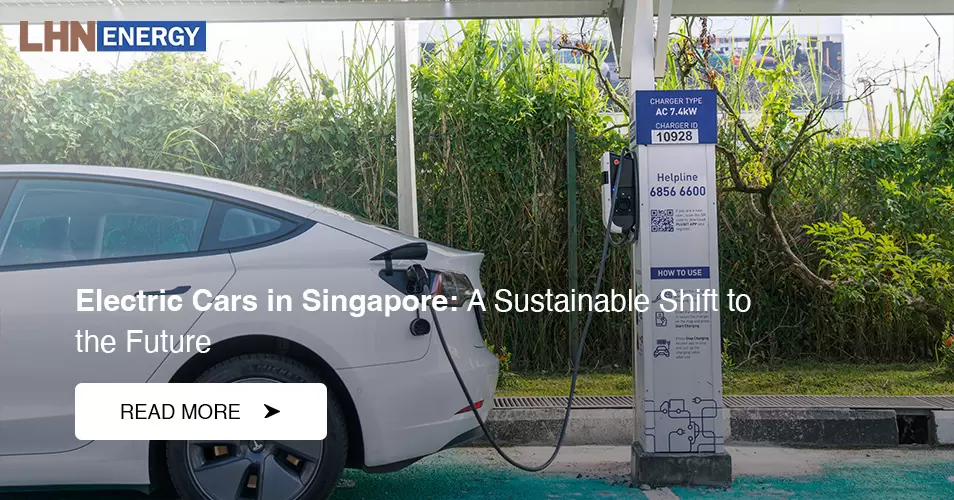
As Singapore ramps up efforts to reduce carbon emissions and promote sustainable transport, electric vehicles (EVs) are becoming a central feature of the nation’s green agenda. For property owners, whether managing residential developments, commercial buildings, or mixed-use spaces, this shift represents a timely opportunity to enhance the appeal and long-term value of their assets through the installation of EV charging infrastructure.
Let’s be real—electricity bills in Singapore are climbing, and they’re not slowing down anytime soon. If you’ve ever gasped at your monthly utility bill, you’re not alone. With the nation’s heavy reliance on imported natural gas, energy prices fluctuate, leaving homeowners and businesses vulnerable to unpredictable costs. On top of that, there’s the environmental impact. The more we rely on fossil fuels, the bigger our carbon footprint gets—contributing to climate change and pollution.
Are rising electricity costs and high maintenance fees making apartment living less affordable? Many residents in Singapore grapple with these challenges as energy prices soar and building upkeep expenses increase. At the heart of managing these costs are Management Corporation Strata Titles (MCSTs), which oversee the maintenance and shared facilities of apartment complexes.
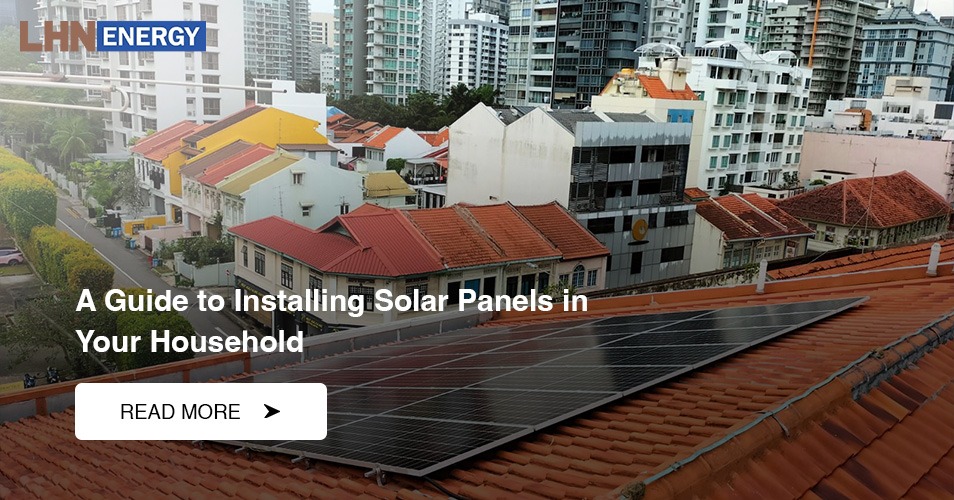
Switching to solar energy is an exciting step towards sustainability and cutting down on energy bills. But let’s face it, installing a household solar panel system can seem a bit overwhelming at first. Maybe you’re concerned about the upfront costs, unsure about how much energy you’ll actually save, or even questioning whether your roof is suitable for installation. Don’t worry! In this guide, we’ll walk you through everything you need to know, from the types of panels to how to maintain your solar panel for home for peak performance.
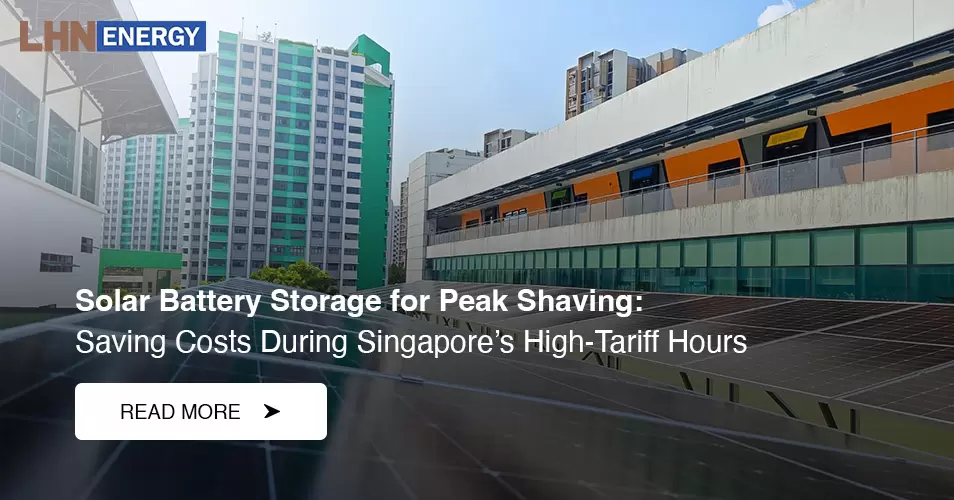
Electricity tariffs in Singapore can skyrocket during peak demand hours, placing a significant financial burden on businesses. From rising energy costs to the unpredictability of peak periods, many business owners face the challenge of managing their electricity consumption without breaking the bank. These high tariffs, coupled with the pressure to stay competitive, can greatly strain budgets and limit profitability. But what if there was a way to mitigate these costs while contributing to a greener future?