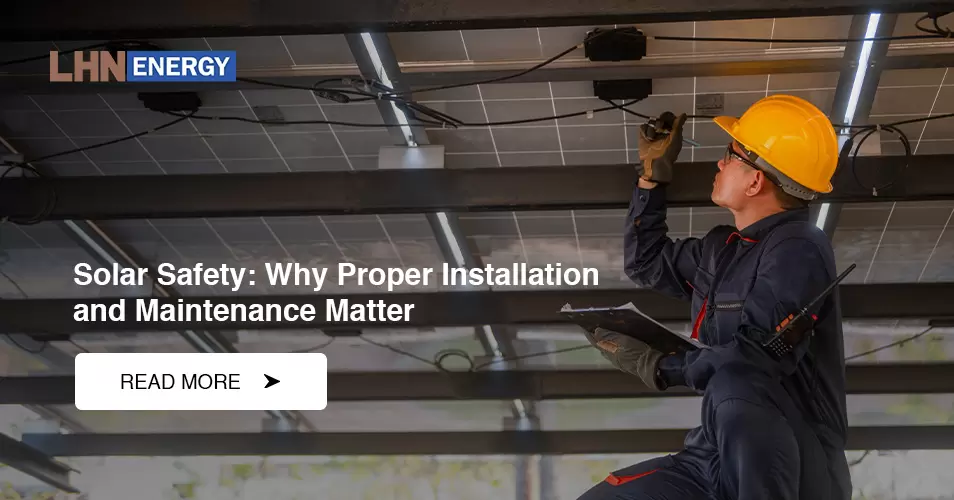
Solar Safety: Why Proper Installation and Maintenance Matter
Key Takeaways:
What Constitutes Solar Safety?
- Safe solar installation relies on proper electrical design, secure wiring, and surge protection to prevent fire risks.
- With Singapore’s harsh weather, it’s important to have secure mounting, good waterproofing, and durable materials in place.
- Regular inspections and cleaning help detect faults early and maintain long-term system performance.
- Compliance with BCA and SCDF standards ensures your solar setup meets Singapore’s safety and regulatory requirements.
Introduction
Solar power has quickly become one of Singapore’s most attractive long-term investments. As electricity prices continue to fluctuate and the nation accelerates its Green Plan 2030 goals, switching to solar allows property owners to lock in predictable energy savings, reduce carbon emissions, and increase property value.
However, despite these benefits, solar safety must always come first. Engaging the right solar panel installer helps ensure proper system design, safe installation, and optimal performance. Read on for further insights.
Solar Safety: Why Proper Installation Matters
Solar panels and inverters manage high-voltage electricity around the clock. Under proper design and installation, these systems are inherently safe and reinforced with multiple built-in protective mechanisms. However, if shortcuts are taken during installation, it may lead to overheating, arc faults, roof damage, or electrical system failures. To ensure optimal performance of your system, it is important to follow established solar panel safety guidelines and proven safe solar installation practices.
Below are the core safety pillars every homeowner and property manager should understand prior to solar panels and installation services.
1. Fire and Electrical Protection
Electrical integrity is fundamental to any well-designed solar system. Poor wiring is one of the most common causes of solar-related electrical issues. When cabling and connections are executed correctly, the system can manage high-voltage electricity without creating fire risks.
A safe installation includes:
- Proper grounding to prevent electrical surges
- Safe cabling techniques to minimise overheating
- Quality DC isolators, junction boxes, and connectors
- Surge protection devices to safeguard against lightning strikes
2. Weather-Resilient Design
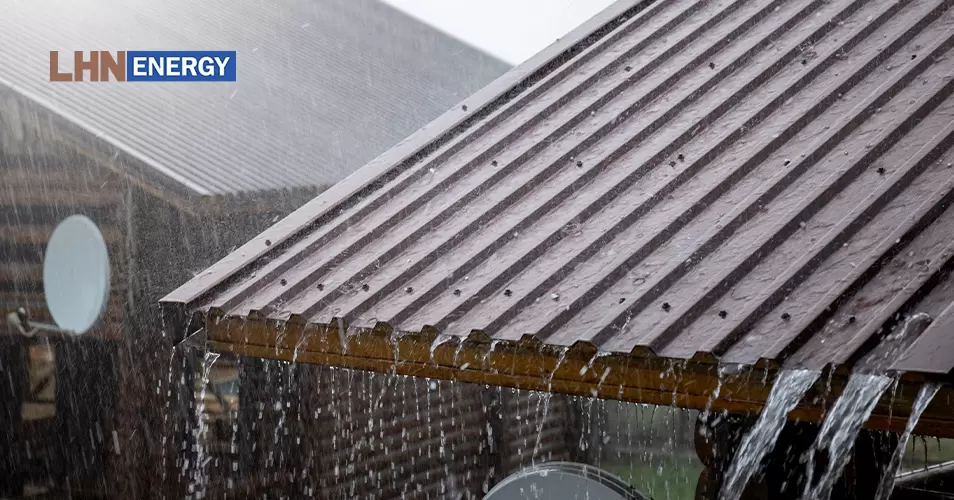
Singapore’s tropical climate brings heavy rain, high humidity, and strong winds, placing stress on rooftop structures. To withstand these elements, a safe solar setup must be designed with durability and weather resilience in mind. This includes:
- Strong mounting systems engineered for wind resistance
- Waterproofing seals to prevent roof leaks
- Corrosion-resistant materials for long-term durability
- Secure panel spacing to prevent uplift during storms
High-quality installation keeps your solar panels firmly anchored, even during intense weather. This not only maintains system performance, but also prevents damage to your roof.
3. Regular Inspections and Maintenance
Even the safest solar system requires routine checks to maintain performance and safety. Over time, issues such as loose connectors, dirt buildup, or inverter faults can reduce efficiency or cause safety concerns. These small problems can gradually reduce your system’s efficiency or even lead to safety risks if they are not identified early.
Regular servicing helps prevent these issues by allowing for early detection of electrical abnormalities. It also includes thorough cleaning to improve sunlight absorption, along with detailed inspections of the inverter, cabling, and mounting structures. With a professional maintenance plan, you safeguard your system’s longevity for maximum energy output.
4. Compliance With Singapore’s Safety Standards
Singapore has strict solar energy compliance standards regulated by the Building and Construction Authority (BCA) and the Singapore Civil Defence Force (SCDF). A compliant system must meet requirements related to:
- Fire safety
- Structural design
- Roof access
- Load-bearing limits
- Emergency shutdown protocols
Working with a certified provider ensures your solar installation meets national standards. With guaranteed solar safety, you can prevent regulatory issues and ensure system performance.
Why Choosing the Right Solar Partner Matters
Solar power is a powerful, sustainable energy source, but only when implemented correctly. Installing solar panels requires engineering expertise, electrical knowledge, and long-term safety planning. The right partner will never cut corners. Instead, they always prioritise safety, quality, and compliance in every stage of the installation.
Whether you’re exploring free installation solar panels packages or a fully customised solution, the partner you choose will determine your system’s safety, performance, and long-term value.
At LHN Energy, every project is guided by strict safety processes and industry best practices. From engineering design to installation and lifetime maintenance, our specialists ensure persistent solar safety. If you’re considering switching to solar, we’re here to help you.
Contact us for more information.
Introduction
Solar power has quickly become one of Singapore’s most attractive long-term investments. As electricity prices continue to fluctuate and the nation accelerates its Green Plan 2030 goals, switching to solar allows property owners to lock in predictable energy savings, reduce carbon emissions, and increase property value.
However, despite these benefits, solar safety must always come first. Engaging the right solar panel installer helps ensure proper system design, safe installation, and optimal performance. Read on for further insights.
Solar Safety: Why Proper Installation Matters
Solar panels and inverters manage high-voltage electricity around the clock. Under proper design and installation, these systems are inherently safe and reinforced with multiple built-in protective mechanisms. However, if shortcuts are taken during installation, it may lead to overheating, arc faults, roof damage, or electrical system failures. To ensure optimal performance of your system, it is important to follow established solar panel safety guidelines and proven safe solar installation practices.
Below are the core safety pillars every homeowner and property manager should understand prior to solar panels and installation services.
1. Fire and Electrical Protection
Electrical integrity is fundamental to any well-designed solar system. Poor wiring is one of the most common causes of solar-related electrical issues. When cabling and connections are executed correctly, the system can manage high-voltage electricity without creating fire risks.
A safe installation includes:
- Proper grounding to prevent electrical surges
- Safe cabling techniques to minimise overheating
- Quality DC isolators, junction boxes, and connectors
- Surge protection devices to safeguard against lightning strikes
2. Weather-Resilient Design
Singapore’s tropical climate brings heavy rain, high humidity, and strong winds, placing stress on rooftop structures. To withstand these elements, a safe solar setup must be designed with durability and weather resilience in mind. This includes:
- Strong mounting systems engineered for wind resistance
- Waterproofing seals to prevent roof leaks
- Corrosion-resistant materials for long-term durability
- Secure panel spacing to prevent uplift during storms
High-quality installation keeps your solar panels firmly anchored, even during intense weather. This not only maintains system performance, but also prevents damage to your roof.