What Are the Top Solar Power Types in 2026?
Solar power is entering 2026 with more choices, sharper competition, and fewer excuses for vague comparisons. This guide examines the leading technologies shaping the market. Monocrystalline silicon remains the dependable workhorse. Its dark, uniform panels cover rooftops, warehouses, and large desert projects. Bifacial modules add another advantage by capturing light reflected from pale ground surfaces. Small details matter.
Perovskite-silicon tandem cells are attracting serious attention because they can convert more sunlight within limited space. Yet their long-term durability still needs broader field testing. Thin-film technologies, including cadmium telluride and CIGS, also deserve consideration. They can perform well in hot conditions, weak light, or unusual installation environments. “Solar PV is now cheaper than coal or gas in most countries,” says Fatih Birol, Executive Director of the International Energy Agency. His observation explains the technology’s momentum, but price alone does not identify the best system.
The strongest solar power choice in 2026 will depend on climate, roof space, financing, maintenance access, and grid conditions. A high-efficiency panel may be wasteful on a spacious roof with limited sunlight. A cheaper module may disappoint where heat and dust are severe. Battery storage changes the calculation again. So does recycling. The industry still has unfinished work. Performance promises can sound cleaner than real-world results. This overview separates proven options from promising technologies, using practical evidence rather than marketing language. Readers should question impressive laboratory figures and check independent certifications, warranties, and measured performance before investing.
Solar Power Basics and How Solar Technologies Differ
What Are the Top Solar Power Types in 2026?
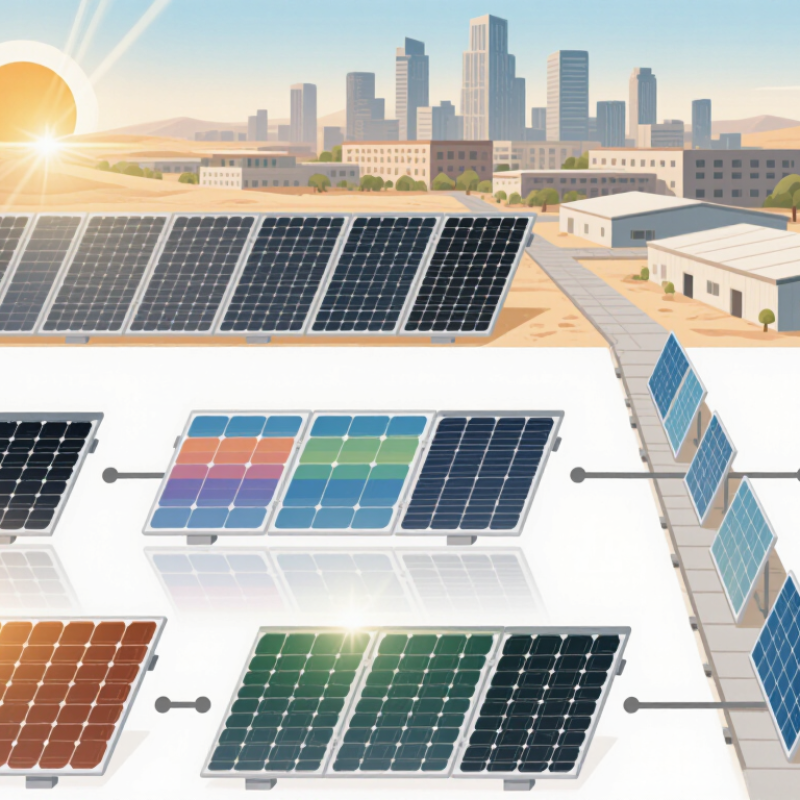
Solar power mainly uses photovoltaic cells or concentrated solar power systems. Photovoltaic panels convert sunlight directly into electricity. Monocrystalline silicon usually offers higher efficiency and better output in limited roof space. Polycrystalline panels can cost less, but they generally need more area. Thin-film modules are lighter and perform reasonably well in hot conditions, though their efficiency is often lower.
The IRENA Renewable Capacity Statistics 2025 report recorded about 1,865 GW of global solar capacity by the end of 2024. Solar added roughly 452 GW that year. This growth shows why photovoltaic technology remains the leading solar choice. Concentrated solar power works differently. Mirrors focus sunlight onto a receiver, producing heat for a turbine. Thermal storage can support electricity after sunset. It suits high-direct-sunlight regions, but it needs larger sites and more complex infrastructure. Efficiency is not the whole story. Roof shape, heat, shading, maintenance, and grid access can matter more.
Tips: Check annual energy yield, not only the panel’s rated efficiency. The Fraunhofer Institute’s Photovoltaics Report 2024 shows crystalline silicon dominating the market, with more than 95% share. Still, selecting the most common technology may be a mistake. A shaded roof could favor different equipment. Ask for temperature coefficients, degradation data, warranties, and measured site estimates. Reports help, but local installation evidence matters.
Photovoltaic Solar Power: Main Types and Applications
In 2026, photovoltaic solar power remains the leading solar technology. The main types include monocrystalline, polycrystalline, thin-film, and emerging tandem cells. Monocrystalline modules usually deliver higher efficiency and suit small rooftops with limited space. Polycrystalline panels can reduce material costs, although their market share has declined. Thin-film modules use less semiconductor material. Their lighter structure suits curved roofs, facades, and portable installations. According to IRENA’s Renewable Capacity Statistics 2025, global solar PV capacity reached about 1,865 GW by the end of 2024. This scale shows maturity, not perfection.
Bifacial modules deserve special attention. They capture reflected light from rear surfaces and can increase energy yield. The actual gain depends on ground reflectivity, mounting height, dust, and panel spacing. The IEA’s Renewables 2024 report expects solar PV to provide most renewable capacity growth through 2030. Utility plants therefore favor efficient modules, trackers, and large battery systems. Homes need simpler designs, safer wiring, and better shade tolerance. Agrivoltaic projects combine raised arrays with crops, but field results vary widely. The category labels are not perfectly clean.
Applications now extend beyond conventional rooftops. Floating PV uses reservoirs and may reduce land pressure, though ecological monitoring remains essential. Building-integrated PV can replace parts of facades or roofing materials. Tandem cells may raise efficiency, yet manufacturing durability remains an open question. Real projects also expose weaknesses, including heat, dust, grid delays, and recycling costs. A panel can look excellent in a laboratory. It may perform differently after ten dusty years.
What Are the Top Solar Power Types in 2026?
Photovoltaic solar power is mainly based on crystalline silicon and thin-film technologies. The chart compares typical commercial module-efficiency ranges; actual values vary by product design, installation conditions, and market.
Monocrystalline Silicon
Usually selected for residential, commercial, and utility-scale systems where high power density is important.
Polycrystalline Silicon
A mature silicon technology used mainly in legacy installations, cost-sensitive projects, and some off-grid systems.
Cadmium Telluride Thin Film
Commonly associated with large-scale solar farms because of its performance in hot conditions and scalable manufacturing.
CIGS Thin Film
Used in selected building-integrated, lightweight, flexible, and specialty photovoltaic applications.
Perovskite and perovskite-silicon tandem cells are emerging technologies with high laboratory and pilot-line performance, but they are not yet as widely deployed as established silicon and thin-film modules.
Concentrated Solar Power: Systems, Uses, and Advantages
What Are the Top Solar Power Types in 2026?
Concentrated Solar Power (CSP) uses mirrors to focus sunlight onto a receiver. The receiver heats a fluid, often molten salt or synthetic oil. That heat produces steam and drives a turbine for electricity. Unlike standard photovoltaic panels, CSP can store thermal energy for several hours. This helps power grids after sunset, when electricity demand often rises. Tower, trough, dish, and linear Fresnel systems serve different sunlight conditions and project sizes. Tower systems reach higher temperatures, while trough systems have a longer commercial operating history.
CSP works best in regions with strong direct sunlight and large, open land areas. It can support evening electricity, industrial process heat, desalination, and district heating. Thermal storage is a major advantage because it separates solar collection from power generation. However, the technology needs careful engineering, reliable heat-transfer equipment, and regular mirror cleaning. Water use can also be significant in wet cooling systems. Dry cooling reduces water demand, but may lower efficiency during very hot periods. The picture is not perfect. Construction costs, transmission distance, and local ecology still require honest evaluation.
Tips: Measure direct normal irradiance before selecting a site. Compare wet and dry cooling designs. Check storage duration against evening demand. Inspect mirror alignment after severe dust or wind events. Independent performance testing can reveal losses that early estimates miss. Small errors matter. A practical feasibility study should include land, water, grid access, maintenance skills, and seasonal weather data.
Comparing Solar Power Types by Efficiency, Cost, and Sustainability
What Are the Top Solar Power Types in 2026?
Comparing Solar Power Types by Efficiency, Cost, and Sustainability
Monocrystalline panels remain a strong choice when roof space is limited. Their efficiency commonly reaches about 20–23% under standard test conditions. They produce more electricity from a compact rooftop. However, their manufacturing process can require more refined silicon and energy. A larger upfront cost may follow. No option wins everywhere.
Polycrystalline panels usually cost less, but their efficiency is often lower. They suit properties with generous, unobstructed roof areas. Thin-film modules perform better in some heat and low-light conditions. They are also lighter, which helps on buildings with structural limits. Their lower efficiency can demand more installation space and supporting materials.
Perovskite-based solar cells attract serious research interest in 2026. They may offer high efficiency with lightweight designs, yet long-term durability remains uncertain. Concentrated solar power can support utility-scale generation in very sunny regions. It needs land, tracking equipment, and often thermal storage. Sustainability depends on the whole system, not panel output alone. Recycling access, transport distance, water use, and battery materials all matter. A practical comparison should examine local sunlight, roof strength, maintenance, and expected service life. Cost estimates can also disappoint when wiring, permits, storage, and labor are excluded. The careful answer is less exciting: the best type depends on the site. Real projects remain messier.