What Are the Top Solar Panel Suppliers in Singapore?

Singapore’s solar market is expanding, but choosing a supplier requires more than comparing panel prices. The Energy Market Authority reported about 1.17 GWp of installed solar capacity in 2023. Singapore is targeting 2 GWp by 2030. These figures show strong demand for reliable equipment, skilled installers, and long-term maintenance.

The International Renewable Energy Agency also identifies solar power as Singapore’s leading renewable-energy resource. Land is scarce. Rooftops, reservoirs, and industrial buildings now carry much of the opportunity. Dr Thomas Reindl, Deputy CEO of the Solar Energy Research Institute of Singapore, has described Singapore as “a living laboratory for solar energy.” His observation matters because local heat, humidity, salt exposure, and heavy rainfall can affect real panel performance. Laboratory ratings alone are not enough.

This guide examines leading solar panel suppliers serving Singapore, including manufacturers, distributors, and engineering partners. It considers product efficiency, degradation warranties, certification, project experience, technical support, and transparent pricing. Brands such as LONGi, JinkoSolar, Trina Solar, JA Solar, and REC may appear in the market, but brand recognition should not decide everything. A strong supplier should explain inverter compatibility, roof loading, fire-safety requirements, monitoring tools, and expected annual output. No ranking is perfect. A supplier can look impressive on paper yet provide weak after-sales service. That is why this solar panel singapore comparison uses public industry data and practical evaluation criteria, rather than promotional claims alone. Readers should still verify current quotations, warranties, and installer credentials before committing to a project.
What Are the Top Solar Panel Suppliers in Singapore?

Singapore’s Solar Energy Market and Supplier Landscape

Singapore’s solar energy market is expanding across industrial roofs, commercial buildings, schools, and landed homes. Limited land makes rooftop generation especially valuable. The supplier landscape includes panel manufacturers, engineering contractors, electrical specialists, distributors, and maintenance teams. A strong supplier should understand Singapore’s heat, humidity, heavy rain, and strict building requirements. Local experience matters more than a glossy sales presentation.

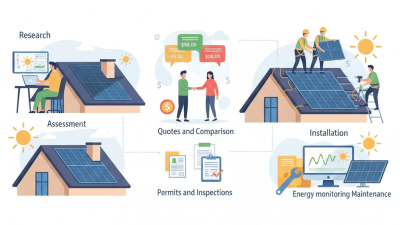
When comparing top solar panel suppliers, examine their project records and technical qualifications. Ask for evidence from similar roofs, not only impressive photographs. Check panel efficiency, inverter performance, mounting materials, monitoring systems, and expected degradation. Clear warranties are important. So are response times when equipment fails. A reliable quotation should separate equipment, installation, permits, inspections, testing, and future maintenance costs. Hidden exclusions can change the project’s real price.

Site assessment reveals details that online comparisons miss. Tall buildings may cast shadows during peak hours. Roof membranes can also require special protection. Suppliers should explain energy forecasts using realistic weather and shading assumptions. Be cautious with guaranteed savings. Actual output varies. No supplier is perfect. Even careful designs can face delays, damaged components, or lower-than-expected generation. I would value transparent limitations over confident promises. Buyers should also verify insurance, worker safety practices, grid-connection experience, and after-sales support before signing.

How to Evaluate Solar Panel Suppliers in Singapore

What Are the Top Solar Panel Suppliers in Singapore?

Evaluating solar panel suppliers in Singapore requires more than comparing quoted prices. Start by checking their local installation experience, project records, and technical qualifications. Ask for completed projects with similar roof types, such as factories, condominiums, or landed homes. A serious supplier should explain structural loading, shading, drainage, and access for future maintenance. Request evidence of trained installers and licensed electrical professionals for grid-related work.

Review the proposed system line by line. Check panel efficiency, temperature performance, inverter specifications, monitoring functions, and expected annual output. Singapore’s heat, humidity, and frequent rainfall can affect equipment performance. Ask whether products carry recognised testing certificates and whether the design follows applicable Singapore electrical and grid requirements. Warranty wording matters too. Separate product warranties from installation and workmanship coverage. Confirm who handles defective equipment, response times, and replacement labour.

Look beyond the sales presentation. Visit an operating installation if possible. Check cable management, roof penetrations, warning labels, and the cleanliness of the inverter area. A polished proposal can still hide weak maintenance planning. I would also compare estimated energy yields against shading analysis, not optimistic software alone. Some suppliers may provide impressive savings figures without explaining tariff changes or system degradation. That deserves questions. Keep every promise in writing, including commissioning tests, monitoring access, maintenance visits, insurance responsibilities, and handover documents. A spreadsheet helps. So does an independent technical review.

What Are the Top Solar Panel Suppliers in Singapore? - How to Evaluate Solar Panel Suppliers in Singapore

Evaluation Dimension What to Check Singapore-Relevant Benchmark Recommended Evidence Weight
Regulatory and Grid-Connection Capability Ability to manage electrical approvals, grid-connection documentation, metering arrangements and commissioning requirements. The project should follow requirements issued by Singapore's Energy Market Authority and the relevant grid-connection procedures administered by the national electricity transmission and distribution network operator. Written approval workflow, completed application examples, licensed electrical worker involvement and commissioning records. 20%
Module Quality and Certification Cell technology, power output, temperature coefficient, degradation rate and safety certification. Modules should be supported by current test documentation under IEC 61215 for design qualification and IEC 61730 for photovoltaic module safety, where applicable to the product. Product datasheet, serial-number traceability, independent test reports and written product warranty. 15%
Inverter and Protection Design Inverter efficiency, monitoring features, islanding protection, surge protection and compatibility with the local electrical system. The design should account for Singapore's 230 V, 50 Hz low-voltage electrical supply and include protection settings suitable for grid-connected operation. Single-line diagram, protection-setting schedule, inverter compliance documents and sample monitoring screenshots. 12%
System Design for Local Climate Design response to high humidity, heavy rainfall, heat, shading, roof loading and limited roof area. The design should include waterproofing details, corrosion-resistant mounting components, drainage consideration, access paths and a site-specific shading analysis. Roof survey, structural assessment, shading report, layout drawing and cable-routing plan. 12%
Energy-Yield Forecasting Accuracy and transparency of projected annual generation, performance ratio and loss assumptions. A credible proposal should show assumptions for irradiation, orientation, tilt, shading, temperature, inverter losses, soiling and system availability. A preliminary Singapore estimate of approximately 1,100–1,300 kWh per kWp per year may be used only as a broad screening range, not as a guarantee. Simulation report, monthly generation forecast, loss breakdown and sensitivity analysis. 10%
Installation Safety and Workmanship Working-at-height controls, electrical safety, fire access, roof penetrations and quality-control procedures. The contractor should provide a documented risk assessment, method statement, fall-protection plan and inspection checklist appropriate for the site. Workplace safety records, insurance certificates, method statements, installation photographs and handover checklist. 10%
Warranty and After-Sales Support Coverage for modules, inverters, workmanship, monitoring equipment and roof-related defects. Compare warranty duration, exclusions, response times, local service availability and the process for replacing failed components. Warranty periods are commercial terms and are not uniform across suppliers. Signed warranty terms, service-level agreement, escalation contacts and examples of completed service cases. 8%
Commercial Value and Contract Transparency Total installed cost, payment schedule, exclusions, estimated savings and contract responsibilities. The quotation should separate equipment, engineering, approval, installation, monitoring, maintenance, taxes, access equipment and future replacement assumptions. Itemised quotation, production assumptions, cash-flow model, payment milestones and contract terms. 8%
Operations, Monitoring and Maintenance Remote monitoring, fault alerts, inspection frequency, cleaning recommendations and reporting. The service plan should identify how production is tracked, how underperformance is detected and who is responsible for corrective action. Monitoring demonstration, preventive-maintenance schedule, alarm-response procedure and annual performance report template. 5%
Total Evaluation Weight 100%
Scoring method: Rate each criterion from 1 to 5, multiply the rating by the assigned weight, and compare suppliers using the same site assumptions, system size, warranty scope and contract inclusions. Regulatory requirements and project-specific approvals should always be verified with the relevant Singapore authorities and qualified professionals.

Leading Solar Panel Suppliers and Their Core Offerings

Solar suppliers in Singapore offer more than photovoltaic modules. Strong suppliers usually provide a complete rooftop solution, including panels, inverters, mounting structures, monitoring software, and installation. Some also manage grid connection paperwork and post-installation inspections.

Singapore’s climate demands careful product selection. Suppliers should recommend corrosion-resistant mounting systems for humid, coastal conditions. They should also assess heavy rainfall, rooftop drainage, shading, and wind exposure. Monocrystalline panels often suit limited roof areas because they deliver strong output from compact surfaces. Inverters should include remote monitoring, fault alerts, and clear performance data. Battery storage is available for sites that need backup power or better evening energy use, but it can increase costs and maintenance needs.

Reliable suppliers provide written equipment warranties, workmanship coverage, projected annual output, and maintenance schedules. Ask whether a licensed electrical professional will handle the connection and testing. A serious supplier should explain assumptions behind its energy forecast, including shading and panel degradation. Proposals can look precise, but weather remains unpredictable. That matters.

Commercial customers may need larger engineering services, such as roof-load checks, cable routing, fire-safety planning, and staged installation. Residential customers often value simpler monitoring and faster maintenance response. A low quotation is not automatically the best choice. It may exclude access equipment, replacement parts, or future inspections. Requesting two or three detailed proposals makes those gaps easier to notice.

Comparing Panel Technologies, Services, and Pricing

Singapore solar buyers should compare more than panel wattage.
Monocrystalline panels dominate rooftops because they offer strong efficiency in limited space. IEA PVPS reported 456 GW of new solar capacity globally in 2023, showing how quickly module technology is scaling. However, laboratory efficiency does not guarantee better rooftop output. Heat, shading, dust, and installation angles matter.

Service quality often separates suppliers. Ask for a site survey, structural review, yield estimate, monitoring access, and clear maintenance terms. IEA PVPS Task 13 reports typical module degradation near 0.5% annually, although actual performance varies.

A supplier should explain replacement procedures and warranty exclusions in plain English. Singapore’s electrical work should also involve appropriately licensed professionals. Small details matter.

Pricing deserves careful comparison. Request quotes using dollars per kWp, then examine projected lifetime generation, financing costs, inverter replacement, and export assumptions. IRENA reported a global weighted-average utility-scale solar LCOE of about US$0.044 per kWh in 2023, but rooftop Singapore projects can differ substantially.

A lower upfront quote may use fewer service visits or weaker monitoring. I would not choose the cheapest proposal automatically. This comparison is imperfect. Local roof conditions can change the result more than a small efficiency gap. Ask suppliers to show assumptions, not just impressive payback figures.

Installation, Regulations, and After-Sales Support in Singapore

Singapore’s strongest solar suppliers combine careful installation with reliable after-sales service. The Energy Market Authority’s Singapore Energy Statistics 2024 records more than 1 GWp of installed solar capacity, showing a rapidly maturing market. A capable supplier should inspect roof loading, shading, drainage, lightning protection, and cable routes before quoting. Humidity matters here. So does salt air.

Grid-connected systems require work by a licensed electrical worker and compliance with electricity-market and building requirements. Suppliers should explain the connection application, metering changes, structural approvals, and any fire-safety conditions in plain English. Requirements can vary by site, especially for condominiums and industrial buildings. The International Renewable Energy Agency’s Renewable Capacity Statistics 2024 also confirms solar’s continuing expansion across Singapore and Southeast Asia, but capacity growth does not guarantee installation quality.

After-sales support deserves equal attention. Ask for separate product and workmanship warranties, inverter replacement terms, monitoring access, cleaning schedules, and a defined response time for faults. A useful contract identifies who handles water leaks, abnormal output, and grid disconnection. Monthly performance reports should compare generation with expected yield, adjusted for weather. That sounds basic. It is often missing.

No supplier gets every roof assessment right. An honest provider should disclose shading assumptions and likely degradation rather than promise perfect savings. The Singapore Standard SS 638 and relevant electrical codes can guide technical decisions, while documented maintenance records help protect safety and warranty claims. A low-price proposal may still become expensive when access equipment, repairs, or replacement parts are excluded.