Top Electric Vehicle Trends You Should Know Today?
The Electric Vehicle industry is rapidly evolving. As stakeholders navigate this dynamic landscape, understanding key trends is essential. Dr. Lisa Thompson, an industry expert and CEO of Green Drive Innovations, emphasizes, "Electric vehicles are not just a trend; they are a fundamental shift in how we think about transportation."
The push for sustainability is reshaping how consumers think about mobility. More drivers are now considering electric vehicles as viable options in their daily lives. Advancements in battery technology are crucial here, improving range and reducing charging time. Consumers are not just looking for eco-friendly choices; they seek value and reliability.
Moreover, infrastructure developments are crucial to supporting electric vehicle adoption. Charging stations are becoming more accessible, making long trips feasible for EV users. Yet, challenges remain. Some consumers are still hesitant due to the perceived inconvenience of charging. Understanding these trends can help companies tailor solutions that meet customer needs effectively.
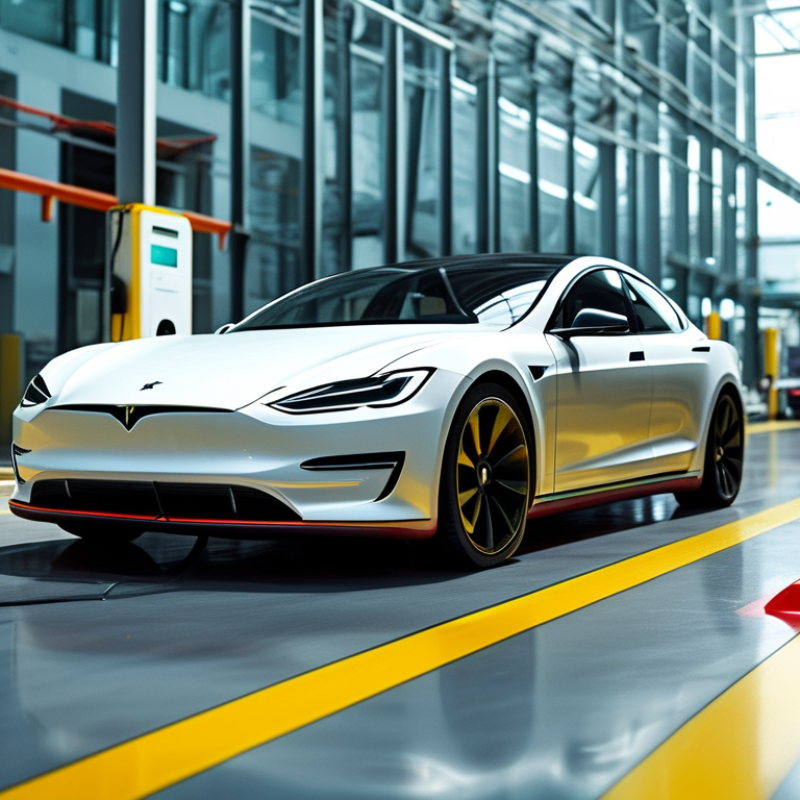
Emerging Battery Technologies Driving Electric Vehicle Performance
Emerging battery technologies are crucial for the evolution of electric vehicles (EVs). Solid-state batteries are gaining attention. They offer higher energy density and improved safety compared to traditional lithium-ion batteries. These innovations could extend EV range significantly while reducing charging times.
Another promising technology is lithium-sulfur batteries. They have the potential to provide more energy for less weight. This could make vehicles lighter and increase their efficiency. However, challenges exist. These batteries struggle with longevity and stability, which requires further research.
Finally, fast charging infrastructure is essential for widespread EV adoption. New charging solutions are emerging, aiming to reduce charging times to mere minutes. These advancements may transform the way we think about recharging. Despite these innovations, the industry faces hurdles. Balancing performance and sustainability remains a complex task. Ongoing research and development will play a vital role.
The Impact of Government Policies on Electric Vehicle Adoption Trends
Government policies have a significant impact on electric vehicle (EV) adoption trends. According to a report by the International Energy Agency, government incentives can boost EV sales by up to 40%. Policies such as tax credits and rebates lower the cost for consumers, making EVs more attractive. Additionally, stricter emissions regulations push manufacturers to invest more in electric technology.
Many governments are committing to ambitious targets. For example, a recent global initiative aims for 30% of new car sales to be electric by 2030. This creates a demand that manufacturers cannot ignore. However, infrastructure development like charging stations is lagging, and it affects consumer choice. Some consumers hesitate to switch due to limited charging availability.
Tips for navigating this landscape include staying informed about local policies. Engaging in community discussions about charging infrastructure can also be beneficial. It’s essential to recognize that while incentives can drive adoption, they are not a silver bullet. There are still hurdles like range anxiety and cost competitiveness against traditional vehicles. Addressing these issues will require continued collaboration between governments and the industry.
Current Market Share and Growth Projections for Electric Vehicles
The electric vehicle (EV) market is experiencing rapid growth. Currently, EVs account for a significant portion of global vehicle sales, with projections indicating continued expansion. Analysts expect that by the end of this decade, the market share for EVs could surpass 30% in several regions. This trend is driven by increased environmental awareness and advancements in technology.
Consumer demand is shifting toward sustainable transportation. Many cities are investing in charging infrastructure. This move encourages more drivers to consider electric options. However, challenges remain. Supply chain issues and battery technology limitations can hinder production scalability. It’s clear that while the potential for growth is substantial, overcoming these hurdles will require strategic planning.
Investment in research and development is crucial. Automakers are exploring innovative battery solutions and efficient manufacturing processes. However, competition is fierce. Players in the market must adapt quickly to emerging trends. Staying ahead means embracing change and addressing consumer needs effectively. The journey toward a fully electrified future has only just begun.
Consumer Preferences Shaping Electric Vehicle Design and Features
Electric vehicles (EVs) are rapidly evolving. Consumer preferences are a significant driver behind this evolution. According to a recent report from McKinsey, around 70% of consumers want a tailored driving experience in their EVs. They seek advanced technology, enhanced safety features, and user-friendly interfaces. This demand pushes manufacturers to prioritize features that resonate with user expectations.
Battery range and charging time are two crucial aspects that influence buying decisions. Research shows that nearly 60% of potential EV buyers consider range anxiety as a primary concern. As a result, many manufacturers are increasing the range of their vehicles, with some models achieving over 400 miles on a single charge. Consumers also prefer faster charging options. A study by Deloitte reveals that 80% of respondents desire charging capabilities that take 30 minutes or less.
Tips: Consider your daily driving habits. Evaluate if an EV's range aligns with your lifestyle. If range anxiety influences you, explore models with higher capacities. Pay attention to charging infrastructure in your area. A robust support network is crucial for a satisfying EV experience.
Top Electric Vehicle Trends You Should Know Today
The Role of Charging Infrastructure in Supporting EV Growth
The surge in electric vehicle (EV) adoption is reshaping urban landscapes. However, the charging infrastructure required to support this growth remains a significant challenge. According to the International Energy Agency (IEA), there were over 2 million public chargers globally by the end of 2022. This represents a notable increase, yet it's still insufficient to meet the demand projected for 2030.
Many countries are investing in charging infrastructure. Reports suggest that a comprehensive strategy could increase the number of chargers tenfold in just a decade. Cities are struggling with location selection, permitting, and funding. The disparity exists between urban and rural areas. Urban centers often have better access, while rural regions lag behind in infrastructure development. A report from McKinsey highlights that 70% of potential EV users in rural areas cite charging availability as a major concern.
User experience is also often overlooked. Many charge points feature slow charging or limited hours of operation. Public charging stations may lack clear signage and user-friendly interfaces. These factors can deter EV adoption. Addressing these issues requires collaboration across government bodies, private enterprises, and communities. It’s imperative to create an ecosystem where charging is as convenient as refueling traditional vehicles.
Top Electric Vehicle Trends You Should Know Today - The Role of Charging Infrastructure in Supporting EV Growth
| Trend | Current Status | Future Outlook |
| Expansion of Charging Networks | Rapid increase in public charging stations | Projected to grow by 50% in the next 5 years |
| Fast Charging Technology | Development of ultra-fast chargers | Will decrease charging time to under 15 minutes |
| Integration with Renewable Energy | Growing use of solar and wind in charging stations | Expected to reach 40% reliance on renewables |
| Smart Charging Solutions | Emergence of IoT and AI in charging management | Enhanced efficiency and user experience by 2028 |
| Government Incentives | Increased subsidies for EVs and charging infrastructure | Sustained growth of EV adoption rates |