What Are the Top Benefits of Solar PV Systems?
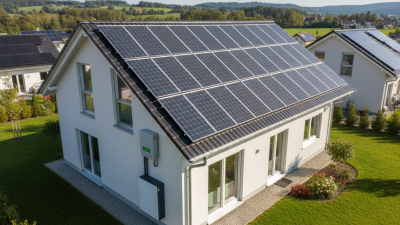
The adoption of solar PV systems is rapidly growing. In 2021, global solar PV capacity increased by 22% to reach over 900 GW. This significant rise demonstrates the increasing recognition of solar power as a sustainable energy source. Solar PV systems offer numerous benefits, making them an appealing choice for both residential and commercial users.
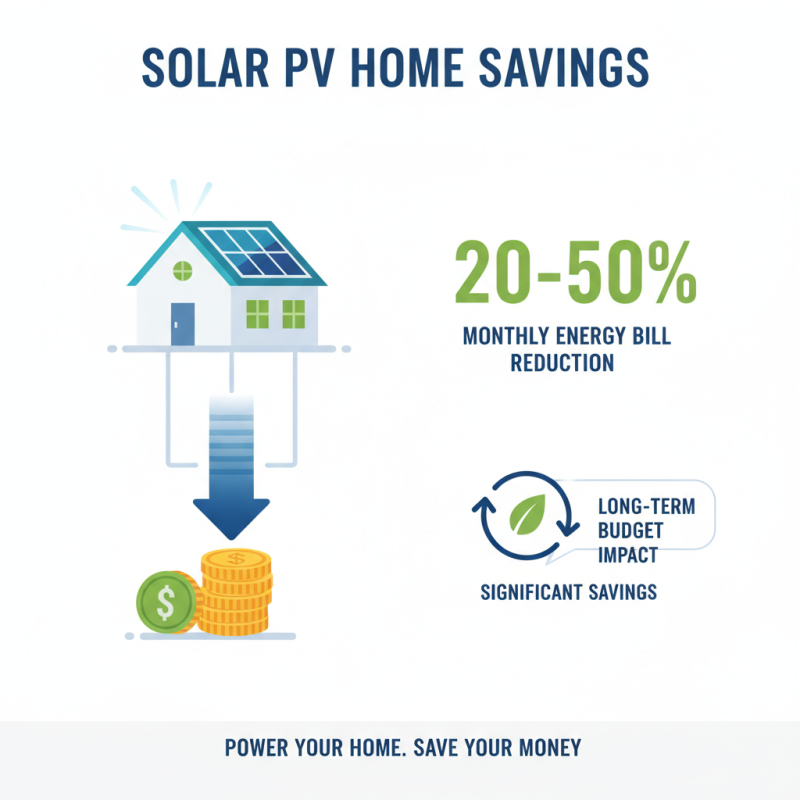
One of the most compelling advantages is cost savings. Reports indicate that solar energy can reduce electricity bills by up to 50%. Additionally, they often come with incentives that can lower initial investment costs. As fossil fuel prices fluctuate, solar PV presents a more stable energy cost.
While the adoption of solar PV is on the rise, challenges remain. Not all regions have equal access to resources needed for installation. Some people express concerns about land use and aesthetic changes. Addressing these issues will be crucial for maximizing the benefits of solar PV systems. Engaging local communities in the planning process could lead to better outcomes and acceptance.

Top Financial Incentives for Adopting Solar PV Systems
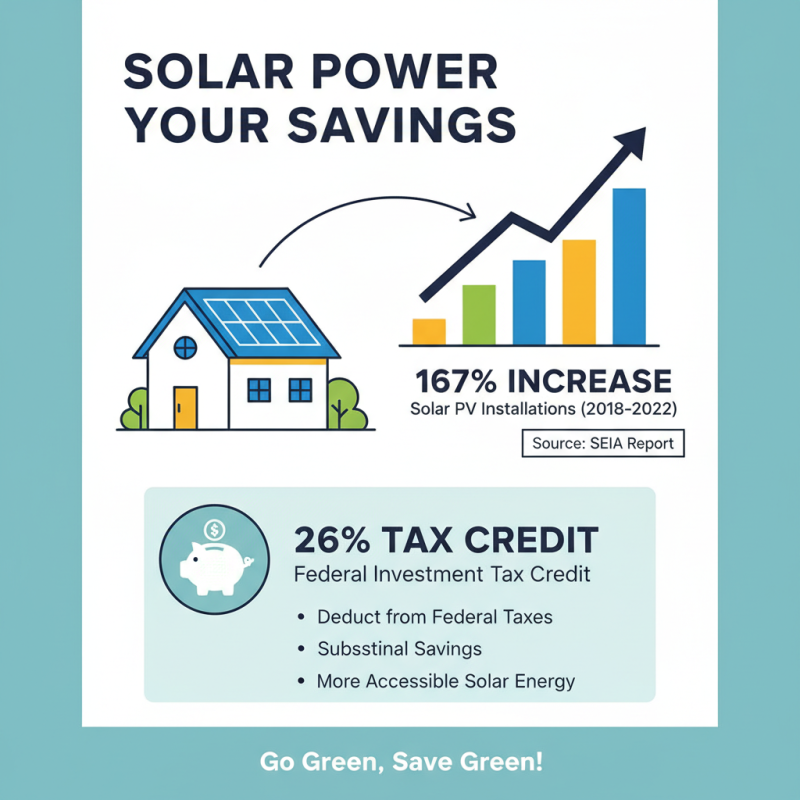
Financial incentives for adopting solar PV systems can significantly impact homeowners’ decisions. According to a report by the Solar Energy Industries Association, installations rose by 167% from 2018 to 2022 due in part to these incentives. Tax credits such as the Federal Investment Tax Credit allow homeowners to deduct 26% of the installation cost from their federal taxes, creating substantial savings. This benefit has made solar more accessible, encouraging many to invest.
In addition, states and local governments also offer incentives. For instance, some states provide rebates, grants, or performance-based incentives. A study found that these programs can reduce upfront costs by up to 50%. However, it’s essential to evaluate these programs carefully. Not all areas offer the same benefits. Furthermore, they can vary widely in complexity and application process. Homeowners are sometimes overwhelmed by the paperwork, leading to missed opportunities for savings. Engaging with local energy advisors can help clarify available incentives, ensuring that potential adopters maximize their financial benefits.
Environmental Impact: Reducing Carbon Footprint and Promoting Sustainability
Solar photovoltaic (PV) systems are an effective way to combat climate change. By converting sunlight into electricity, they significantly reduce reliance on fossil fuels. This shift leads to a decrease in greenhouse gas emissions, which are a major contributor to global warming. Cleaner air and water result from less pollution, benefiting both human health and the environment.
However, the production of solar panels is not without its challenges. Some materials used can be harmful to the ecosystem if not managed properly. There are also questions about land use and the environmental impact of large solar farms. It’s essential to balance renewable energy development with conservation efforts.
Despite these concerns, solar PV systems encourage a sustainable future. They promote energy independence for communities. As technology progresses, efficiency and methods of recycling panels improve, addressing earlier setbacks. Continuing to innovate ensures the benefits outweigh the drawbacks, making solar energy a pivotal part of a greener world.
Top Benefits of Solar PV Systems
This chart illustrates the top benefits of solar PV systems, showcasing the significant impact on carbon emission reduction, energy savings, job creation, and energy independence. The data reflects real potential gains in adopting solar energy solutions.
Energy Independence: How Solar PV Enhances Energy Security for Households
Solar PV systems are changing the way households think about energy. Energy independence is not just a buzzword; it’s a reality for many. With solar panels, homes can generate their own electricity. This reduces reliance on the grid. Families can save money and have a sense of security.
Imagine a household running on solar power during an outage. The refrigerator stays cold, lights stay on, and devices remain charged. This autonomy can be empowering. However, solar systems require an initial investment, which can be a barrier. Not everyone can afford this upfront cost.
Energy independence also brings challenges. Maintenance and repairs are necessary. Some homeowners may struggle with understanding complex technologies. Solar energy is abundant, but harnessing it effectively takes effort. Each step toward energy independence holds potential but requires ongoing commitment. It’s not just an installation; it’s a lifestyle change.
Technological Advancements: Innovations Driving Efficiency in Solar Systems
Recent technological advancements have greatly improved the efficiency of solar photovoltaic (PV) systems. The U.S. Department of Energy reports a 45% decrease in the cost of solar energy over the past decade. This cost reduction invites more homeowners and businesses to adopt solar technology.
Innovations such as bifacial solar panels capture sunlight from both sides, increasing energy production by up to 20%. They reflect the industry’s innovative spirit while addressing energy demands.
However, the rapid pace of technological change can be overwhelming. Some users feel lost in jargon surrounding these innovations. Energy storage solutions are another key area. These systems, such as lithium-ion batteries, can store energy generated during sunny days for nighttime use. Efficiency rates have reached over 90% in modern battery systems. Yet, the initial investment remains a barrier for many.
Moreover, while solar tracking systems help maximize energy capture, their mechanical parts can require regular maintenance. This is an area needing further optimization. Smart inverters with real-time monitoring capabilities enhance energy management. However, technology can fail, leading to potential downtime. Balancing innovation with reliability is an ongoing challenge in the solar industry.