Top 10 Tips for Successful Solar System Installation
Installing a solar system can be a transformative experience for homeowners. Many seek sustainable energy solutions, making solar system installation increasingly popular. However, a successful installation requires careful planning and consideration. The stakes are high; improper setup can lead to inefficiencies and unexpected costs.
Experience shows that research is crucial. Understanding local regulations and available incentives is key. Many underestimate installation challenges. The complexity of solar technology demands expertise. Those who rush may overlook essential factors, leading to poor performance.
Choosing the right installer influences project success greatly. Their experience and reputation can make or break your investment. Don’t settle for the first option; compare quotes and reviews. Trust is fundamental in this industry. A reliable solar system installation can bring years of savings and sustainability. Whether you're motivated by eco-friendliness or financial savings, these tips will guide you through a smooth installation process.
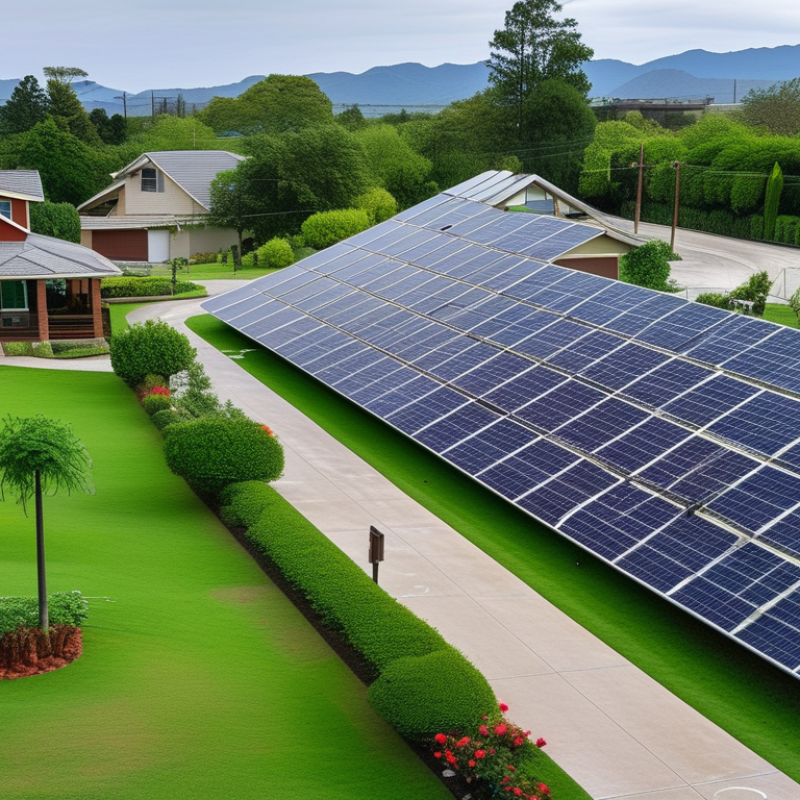
Understanding Your Energy Needs Before Installation
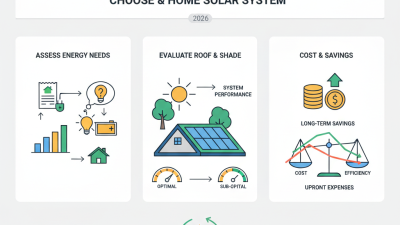
Understanding your energy needs is crucial before installing a solar system. Begin by evaluating your current energy consumption. Look at past utility bills to determine your monthly usage. This information helps you choose an appropriate system size.
Calculate the average daily energy use. For many, this ranges from 20 to 30 kilowatt-hours. Once you know this, you can better assess how much sunlight your area receives. This will guide your system's efficiency. Research local solar potential to make an informed decision.
Consider that every household is unique. Your energy needs may change with new appliances or lifestyles. It’s wise to plan for future upgrades. If you expect to install electric vehicles or a pool, account for that energy consumption now.
One helpful tip is to consult with solar experts. They can offer insights tailored to your specific situation. Professional advice can save you money and headaches down the road. Don't overlook your roof condition, either. Ensure it’s ready for solar panels. Assessing these factors can lead to a more successful installation.
Top 10 Tips for Successful Solar System Installation - Understanding Your Energy Needs Before Installation
Choosing the Right Solar Panel System for Your Home
Choosing the right solar panel system for your home is essential. Begin by assessing your energy needs. Calculate your monthly electricity usage in kilowatt-hours. Understanding this will help you determine the capacity of the solar system you require. Remember, a system that’s too small may not cover your energy costs.
Consider the orientation and shading of your roof. South-facing roofs receive the most sunlight. If trees or buildings cast shadows, your solar panels will be less effective. This can lead to underperformance, so evaluate your surroundings carefully. Sometimes, trimming trees can improve sunlight exposure.
Quality matters. Not all solar panels are created equal. Research different types, such as monocrystalline or polycrystalline panels. Each has its pros and cons. It’s important to look at the efficiency ratings and warranties offered. Engaging with professionals can provide valuable insights but also ensure you ask critical questions. Choosing wisely will lead to long-term savings and satisfaction.
Top 10 Tips for Successful Solar System Installation - Choosing the Right Solar Panel System for Your Home
| Tip Number |
Tip |
Details |
Estimated Cost |
| 1 |
Assess Your Energy Needs |
Evaluate your electricity usage to determine the best system size. |
Free |
| 2 |
Research Local Regulations |
Understand local zoning laws and permits required for solar installation. |
Free |
| 3 |
Evaluate Different Solar Panel Types |
Consider monocrystalline, polycrystalline, and thin-film options based on efficiency and cost. |
Varies ($0.60 - $3.00 per watt) |
| 4 |
Get Multiple Quotes |
Collect estimates from various installers to compare costs and services. |
Free |
| 5 |
Consider Inverter Options |
Decide between string inverters, microinverters, or power optimizers based on your setup. |
$1,000 - $2,000 |
| 6 |
Check Warranties and Performance Guarantees |
Look for long warranties on panels and inverters for peace of mind. |
Free |
| 7 |
Plan for Maintenance |
Develop a cleaning and inspection schedule to maintain system efficiency. |
Variable |
| 8 |
Understand Financial Incentives |
Research available state and federal tax credits, rebates, and financing options. |
Free |
| 9 |
Optimize Installation Location |
Ensure panels are placed for maximum sun exposure throughout the day. |
Free |
| 10 |
Get Insurance Coverage |
Consult with your insurer to ensure the solar system is adequately covered. |
Variable |
Selecting Qualified Professionals for Installation
When selecting qualified professionals for solar system installation, expertise is essential. Reports indicate that 90% of solar installations succeed when conducted by certified experts. These professionals provide necessary technical knowledge and adhere to safety protocols. Look for installers who are certified by reputable organizations. Certification reflects a commitment to industry standards.
Experience matters too. A study reveals that seasoned installers complete projects faster and with fewer errors. Newcomers often miss critical steps, leading to costly mistakes. Check the installer’s portfolio and client reviews. High ratings often indicate reliability and quality work. It’s vital to engage with previous clients to understand their experiences fully.
Transparency plays a vital role in your choice. A qualified professional will provide a clear quote without hidden fees. They should be willing to address all your concerns. Many homeowners report feeling overwhelmed during installations. This highlights the need for clear communication and trustworthy guidance. Selecting the right team can significantly impact your solar investment's success.
Obtaining Necessary Permits and Following Regulations
Installing a solar system can be a rewarding venture, but it requires careful planning and adherence to regulations. One vital aspect is obtaining the necessary permits. Every region has specific rules governing solar installations. Research your local regulations thoroughly. This ensures that your installation meets building codes and safety standards.
Tip: Engage with local authorities early in your project. They can provide guidance on required permits. Missing paperwork can delay your project. It might even lead to fines. By getting your permits in order, you can focus on the actual installation.
Another important consideration is ensuring compliance throughout the installation process. Regulations may include energy efficiency standards and zoning laws. Keep a checklist of requirements handy to avoid overlooking essential steps. It’s crucial to document all aspects of the installation. This can serve as a reference in case of future inspections.
Tip: Hire a professional who understands local requirements. Their expertise can save you time and prevent potential legal issues. Always stay updated on any changes to local laws. Being proactive can make a significant difference in your solar project’s success.
Testing and Maintenance After Installation Completion
Testing and maintenance are crucial after installing a solar system. According to the U.S. Department of Energy, regular maintenance can improve system efficiency by up to 30%. After installation, you should inspect the system frequently. Check for dirt, debris, or shading that could block sunlight. Even small obstacles can reduce energy output significantly.
Monitoring performance is essential. Use software tools to track energy production. Detect anomalies early and address them promptly. For instance, a sudden drop in energy production can signal an issue. The National Renewable Energy Laboratory reports that 80% of solar system problems can be resolved with timely maintenance.
In addition, keep an eye on the inverter. It plays a key role in converting solar energy to usable electricity. Regularly check the inverter’s display for errors. If you notice warning lights, consult a professional. Remember, your solar system is an investment. Proper maintenance can extend its life and ensure optimal performance.