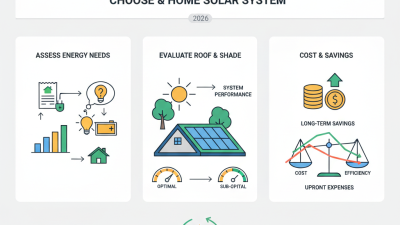
2026 How to Choose Solar Energy Systems for Your Business?

Choosing solar energy systems for a business in 2026 means matching equipment to real operating needs, not chasing the largest panel count. A warehouse with daytime cooling loads has different priorities from a shop that closes before sunset. Start with electricity bills, interval usage data, roof condition, and available installation space. Then compare system design, storage options, warranties, and projected maintenance. Small details matter.

Amory Lovins, an energy-efficiency expert, is widely associated with the phrase, “Negawatts are cheaper than megawatts.” It is a useful reminder to examine efficiency before sizing a solar array. Better lighting or upgraded controls may reduce demand, though improvements can be easy to overlook during a busy project. There is no perfect spreadsheet. Real buildings have shifting schedules, equipment changes, and the occasional surprise.

A dependable decision also needs transparent assumptions. Ask how estimates account for seasonal production, shading, equipment degradation, and future business growth. Check the installer’s relevant project experience, technical credentials, and service process. Compare expected savings with financing costs and realistic system output, rather than relying on a single headline number. Energy storage may help some businesses manage evening use or outages, but it adds cost and design considerations. It is not automatically worthwhile.

This guide explores the practical questions behind choosing solar energy systems: how to assess your site, compare system types, evaluate providers, and judge financial proposals. The goal is a system that fits your operations and remains understandable after installation—not simply one that looks impressive on paper.
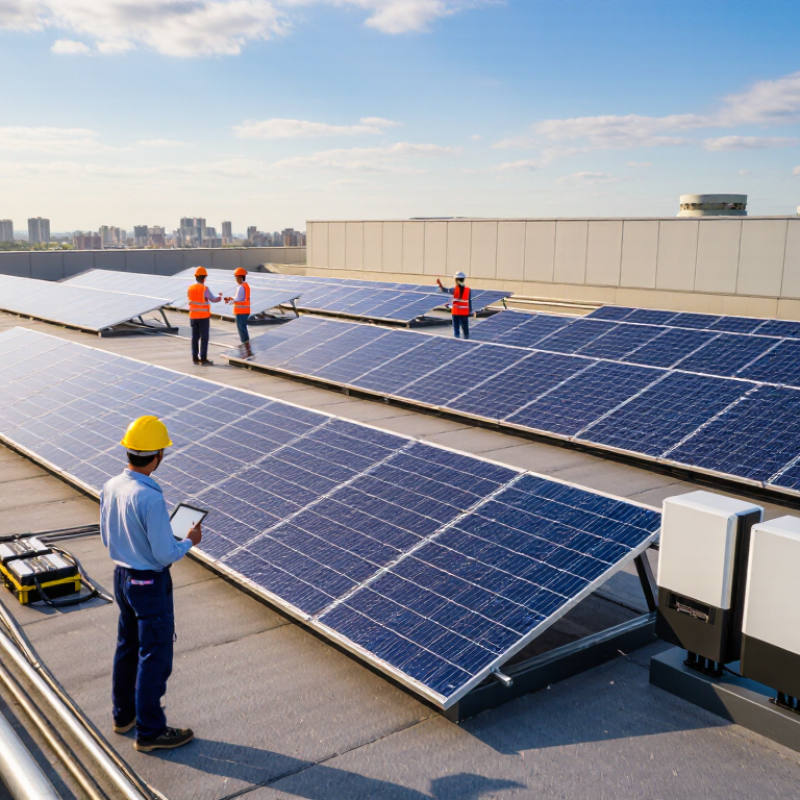
2026 How to Choose Solar Energy Systems for Your Business?

Assess Your Business’s Energy Use and Solar Potential

Before comparing solar options, build an energy-use profile from at least twelve months of utility bills. Look beyond total kilowatt-hours: note peak demand, time-of-use charges, and seasonal shifts. A bakery may use most power before sunrise, while an office peaks during afternoon cooling. Hourly interval data, when available, shows whether sunlight matches actual demand. Small differences matter.

Walk the property at different times of day, and record roof direction, shade, and usable space. Nearby trees, rooftop equipment, and planned construction can reduce production more than a map suggests. Ask a qualified site professional to assess roof condition, electrical capacity, and structural loading. Ground-mounted systems may suit some sites, but land access, drainage, and existing uses affect feasibility. Estimates are not promises.

Compare expected solar output with daytime energy use, not just annual consumption. If production exceeds demand at certain hours, check how exported electricity is credited under your utility arrangement. Battery storage may shift energy into evening hours, though added costs and losses need careful modeling. Include expansion plans, lease terms, maintenance access, and downtime risks. A spreadsheet can still miss practical details, such as a shaded loading bay or a planned refrigeration upgrade. Recheck those assumptions before choosing a system size.

Compare Solar System Types and Ownership Models

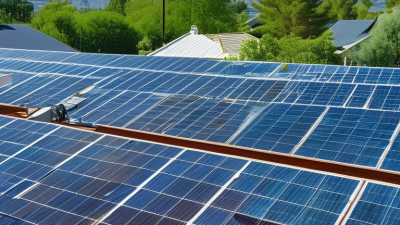
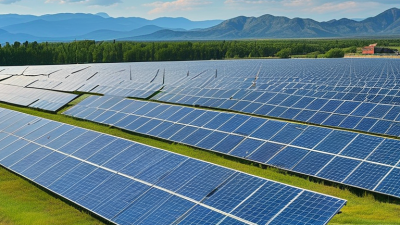
A business can choose rooftop, carport, or ground-mounted solar, depending on its site and energy needs. Rooftop panels use existing space, but roof age, shade, and structural capacity matter. A carport can generate power while shading employee parking, though construction may raise upfront costs. Ground-mounted systems offer flexible orientation and easier maintenance access. They need suitable land and may require additional site work.

Ownership changes the financial picture. Buying with cash gives the business direct control and keeps future savings, but ties up capital. A solar loan spreads payments over time; compare its interest, fees, and repayment schedule with expected bill savings. Leasing or signing a power purchase agreement can reduce upfront spending. In those arrangements, a provider typically owns or maintains the equipment, while contract terms govern pricing, repairs, and system performance. Details matter.

Compare proposals using the same assumptions: system size, estimated production, utility rates, maintenance, and contract duration. Ask how production estimates account for seasonal shade and equipment downtime. A sunny roof does not guarantee a simple project. Check carefully. I would also inspect the roof’s remaining service life before installation; replacing it later can complicate costs and access. Actual savings vary with consumption patterns and local utility rules, so treat projections as estimates, not promises.

Evaluate Costs, Incentives, and Financing Options

2026 How to Choose Solar Energy Systems for Your Business?

Compare the full project cost, not just the panel quote. Ask for itemized pricing covering design, installation, electrical upgrades, permits, and grid connection. A warehouse with a sound roof may need little structural work; an older roof could add substantial expense. Include maintenance, insurance, and any battery replacement assumptions in your long-term estimate. Small costs add up.

Incentives can change the numbers, but eligibility and value depend on your location, project structure, and current rules. Confirm details with official program sources and a qualified tax professional before counting incentives as guaranteed savings. Compare cash purchases, loans, leases, and power-purchase agreements. A loan may preserve ownership, while a lease or agreement can reduce upfront spending but limit control. Review payment escalators, contract length, and what happens if you sell the property. These details are easy to skim past.

Tips: Request production estimates based on your actual utility bills and roof conditions. Check whether quoted savings account for demand charges and seasonal usage. Ask lenders for total repayment, not only monthly payments. Leave room for uncertainty; the first forecast may be optimistic.

2026 How to Choose Solar Energy Systems for Your Business? - Evaluate Costs, Incentives, and Financing Options
Decision Dimension Planning Benchmark or Example What to Evaluate
System size A 100 kW commercial system is a useful example for comparing proposals. The appropriate size depends on the building’s usable roof or land, electricity use, and utility rules. Compare proposed annual generation with at least 12 months of electricity bills. Check roof condition, shading, structural capacity, and any planned building changes.
Installed solar cost For early U.S. planning, a broad estimate is about $1.50–$3.00 per watt, before incentives. At 100 kW, that implies approximately $150,000–$300,000. Request an itemized price covering modules, inverters, mounting, electrical work, engineering, permitting, interconnection, and contingency. Local labor, project complexity, and system size can move costs outside this range.
Battery storage Storage costs vary significantly by power rating, duration, installation, and fire-safety requirements. Obtain project-specific quotes rather than applying a single national price per kWh. Model the value of backup power, demand-charge reduction, time-of-use shifting, and export limits. Compare usable capacity, warranty terms, round-trip efficiency, and replacement assumptions.
Annual energy production For illustration, a 100 kW system producing 1,300 kWh per kW annually would generate about 130,000 kWh per year. Actual production depends on location, orientation, shading, and system losses. Ask for a site-specific production estimate that states its weather data, degradation assumption, and estimated system losses. Compare estimates using the same assumptions.
Electricity-bill savings Illustrative case: if 85% of 130,000 kWh is used on-site at $0.15/kWh, avoided purchases are worth about $16,575 per year. If the remaining 15% is exported at $0.05/kWh, export value is about $975 per year. Use your utility’s actual energy charges, demand charges, time-of-use rates, and export compensation. Exported electricity may be valued differently from electricity used on-site.
Operating costs and simple payback In the illustrative case above, $17,550 in gross annual bill value minus an assumed $2,000 of annual maintenance and operating costs leaves $15,550. On a $200,000 system, simple payback is about 12.9 years, before incentives, financing, taxes, and degradation. Treat simple payback as a screening measure, not a guaranteed return. Also compare lifetime cash flow, equipment warranties, insurance, inverter replacement, and the business’s expected site tenure.
Federal tax incentives Federal clean-energy tax provisions may apply to eligible commercial projects, subject to the law and rules in force when the project is placed in service. Eligibility, credit amount, timing, and labor requirements can vary. Confirm current 2026 requirements with a qualified tax professional before including an incentive in the financial case. Do not assume the business can use the full benefit immediately.
State and utility incentives Rebates, performance payments, tax benefits, and interconnection or export rules vary by state, utility, and program funding availability. Check program caps, application deadlines, equipment requirements, payment timing, and whether incentives can be combined. Obtain written confirmation of eligibility.
Cash purchase The business pays the project cost upfront and generally owns the system and its associated operating risks and benefits. Compare the expected after-tax return with the business’s cost of capital and other uses of cash. Confirm who is responsible for maintenance and repairs.
Solar loan A loan spreads payments over time while the business typically owns the system. Rates, fees, repayment terms, and collateral requirements depend on the lender and borrower. Compare total repayment, interest rate, fees, prepayment terms, covenants, and payment timing against forecast energy savings. Model savings after debt service.
Lease or power purchase agreement (PPA) A provider may own the system and charge rent or sell generated electricity under a contract. Terms and available structures vary by market and project. Review escalators, contract length, production guarantees, roof access, maintenance duties, buyout options, and transfer terms if the property is sold or leased.
Utility and interconnection Grid connection, export limits, metering, and compensation are set by the relevant utility and jurisdiction; approval can affect both timing and project economics. Confirm the interconnection process and any required upgrades before finalizing the business case. Include application costs and schedule uncertainty in project planning.
How to compare proposals Use the same system size, energy-price assumptions, incentive assumptions, financing period, and operating-cost estimates for each proposal. The cost ranges and calculations in this table are planning examples, not quotes or guaranteed savings; verify all figures for the project location and applicable 2026 rules.

Select Equipment, Installation, and Grid Connection

Choosing solar equipment starts with your actual electricity use, not the largest array that fits your roof. Review twelve months of bills and note daytime peaks, seasonal changes, and planned machinery. A warehouse with steady refrigeration may need a different inverter and storage plan than a daytime office. Small details matter. Ask for equipment specifications, expected output, warranties, and assumptions in writing. Batteries can shift energy into evening hours, but add cost and may not suit every load.

Installation quality matters just as much as equipment. Check roof age, shading, drainage, cable routes, and safe access before work begins. Hidden roof damage or a crowded electrical room can affect the schedule. Not always obvious. Request a clear plan for mounting, shutdowns, testing, and maintenance access. Photograph existing conditions before crews arrive, and make sure the proposed layout leaves room for future roof repairs.

Grid connection requires early coordination with the local utility. Confirm export limits, meter requirements, protection settings, and approval steps before ordering equipment. Revised drawings may be requested, so allow time for review. During commissioning, check monitoring data against expected output under similar weather conditions. Revisit those assumptions after the first month; estimates are useful, but real roofs are less tidy.

2026: Choosing a Solar Energy System for Your Business

Common U.S. commercial AC service voltages for grid-connected solar planning

The bars show nominal line-to-line voltages for common U.S. service configurations, not recommended solar-system sizes. Confirm your service configuration and interconnection requirements with your utility and a qualified solar installer before selecting equipment.

Verify Performance, Maintenance, and Long-Term Value

For a business, a solar system’s value depends on verified output, not just panel capacity. Ask for an estimate based on your location, roof direction, shading, and hourly electricity use. Compare projected generation with utility bills from different seasons, not one unusually sunny month. Check the assumptions. A forecast can look precise while roof access or future building changes remain uncertain. Ask how actual production will be measured and who reviews shortfalls.

Maintenance needs a clear plan. Confirm who inspects wiring, inverters, mounting points, and system alerts, and how quickly service is available. Dust, leaves, and nearby construction can reduce output; cleaning needs vary by site. Keep records. Review monitoring data monthly, and compare it with expected seasonal production. A sudden drop may signal a fault, but weather and equipment issues can be hard to distinguish without a reliable service process.

Long-term value means looking beyond the purchase price. Compare expected savings, financing costs, equipment degradation, service fees, and warranty coverage over the same period. Check whether warranties cover labor as well as parts. Ask what happens if the roof needs repairs or the business expands. One common weakness in evaluations is treating every future saving as certain. It isn’t. Use conservative energy-price assumptions, and revisit the figures when operating hours or electricity rates change.