How to Get Solar Panels for Your Home or Business?
When considering getting solar panels for your home or business, you enter a realm of possibilities. Solar energy can significantly reduce your electricity bills. It also offers a sustainable alternative to fossil fuels. However, the process can feel overwhelming. Many homeowners and business owners face decisions about costs, installations, and technology.
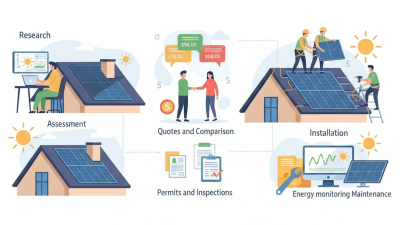
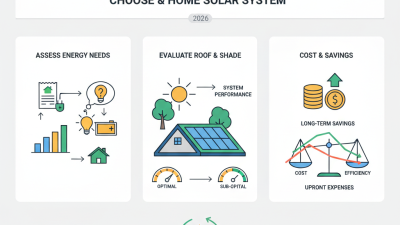
Research is essential when getting solar panels. Understanding local incentives and financing options can lead to savings. Also, it's vital to assess your property's sun exposure and roof conditions. These factors impact the efficiency and effectiveness of solar panels. Engaging with reputable solar companies helps ensure you receive informed guidance.
While the transition to solar energy presents advantages, it's not always straightforward. Some may encounter challenges with installation or maintenance. The selection of the right technology matters deeply. Solutions that work for one property may not be ideal for another. Reflecting on your unique circumstances is crucial. Getting solar panels requires thoughtful consideration and planning. Don’t rush the decision; proper research will lead to a more informed path forward.
Understanding Solar Panel Technology and Its Benefits for Homes and Businesses
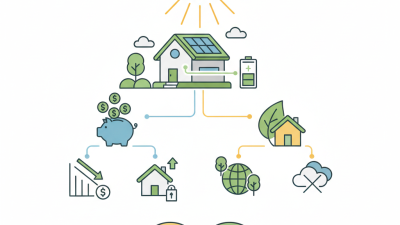
Understanding solar panel technology is essential for homeowners and businesses. Solar panels convert sunlight into electricity, offering significant advantages. According to the U.S. Department of Energy, installing solar panels can save homeowners an average of $10,000 over 20 years. Additionally, solar energy contributes to lower utility bills.
The benefits extend beyond just savings. Solar installations can increase property value. The National Renewable Energy Laboratory reports that homes with solar panels sell for about 4.1% more than those without. Furthermore, businesses that adopt solar energy often see improved public perception. Customers increasingly prefer companies committed to sustainability.
However, there are challenges. Initial installation costs can be high, and the efficiency of panels varies. Some properties may not receive enough sunlight for optimal performance. Careful assessment of a site’s solar potential is crucial. Consideration of local incentives and financing options can help mitigate expenses. As the technology advances, continued research is needed to improve efficiency and reduce costs.
Evaluating Your Energy Needs: Calculating Required Solar Panel Capacity
Evaluating your energy needs is crucial when considering solar panels for your home or business. Start by examining your energy consumption. Look at your electricity bills for the past year. This will help you understand usage patterns and peak demands. Check for seasonal variations, too. For instance, summer AC use could drive up your needs.
Next, calculate the required solar panel capacity. Estimate your total monthly energy consumption in kilowatt-hours (kWh). Divide that number by the average number of sunlight hours your location receives each day. This calculation helps you determine the number of solar panels needed. Keep in mind that solar panels aren’t 100% efficient. You should plan for some energy loss during conversion and distribution.
Consider any potential challenges. Roof size, orientation, and shading can all impact panel efficiency. You may need to adjust your expectations based on these factors. Working with a professional can help clarify these aspects. They can provide insights tailored to your specific situation, ensuring you make well-informed decisions.
Researching Solar Incentives: Tax Credits, Rebates, and Financing Options
When considering solar panels for your home or business, understanding solar incentives is vital. Government incentives can significantly reduce your investment costs. Tax credits are a way to lower your tax bill directly based on your solar installation costs. Many regions offer these credits, making solar more accessible.
Rebates can also provide immediate savings. These are cash incentives from local governments or utilities. They can lower the upfront costs by a substantial amount. However, these rebates often come with strict deadlines and specific eligibility criteria. Always verify the terms and keep track of timelines.
Financing options are another pathway. Many companies provide financing plans tailored for solar installations. These plans often come with low-interest rates, making it easier to afford solar energy. Yet, be cautious and read all terms. Some options may lead to long-term debt. Balancing potential savings against these costs is crucial. Understanding your local context can highlight the best path forward.
Choosing the Right Solar Panel System: Types and Installation Methods
When considering solar panels for your home or business, it’s crucial to choose the right system. Several types exist, including monocrystalline, polycrystalline, and thin-film panels. Each type has unique characteristics and efficiencies.
Monocrystalline panels, for instance, are often more efficient but come at a higher cost. Polycrystalline panels are typically less efficient, yet they offer a more affordable option. Thin-film panels are lightweight and flexible, but their efficiency is lower compared to others.
Installation methods also vary. Some systems are rooftop-mounted, while others can be ground-mounted or integrated into building designs.
Rooftop installations can maximize space and exposure to sunlight. Meanwhile, ground-mounted systems require more land but allow for easier maintenance and access. Think about your space and needs when deciding which installation method suits you.
Tips: Evaluate your energy consumption. This will help determine the size and type of system you need. Consulting with an expert can provide insights and advice tailored to your situation. Don't rush into a decision. Take your time to research and compare options thoroughly. Investing in solar energy is a long-term commitment, and making informed choices will yield better rewards.
Selecting a Reliable Installer: Comparing Costs, Experience, and Reputation
When selecting a reliable solar panel installer, cost plays a significant role. Quotes can vary widely based on the company’s reputation. The cheapest option may not provide the best quality. Look for installers who offer transparent pricing without hidden fees. Consider the long-term savings on energy bills when evaluating upfront costs.
Experience is another crucial factor. Installers with several years in the industry often have refined techniques. They can efficiently address common issues that arise during installation. However, newer companies may bring fresh ideas that could benefit you. It’s essential to evaluate their track records, including customer feedback and project completion rates.
Reputation matters significantly in the solar industry. Online reviews and certifications can help assess an installer’s reliability. Check social media for real client experiences. Be cautious of overly positive reviews; they might lack credibility. Gathering multiple opinions can provide a well-rounded view of your potential installer’s reliability and service quality. Making informed decisions is key to a successful solar panel installation.