10 Essential Tips for Successful Solar Power Installation
The rise of solar power installation is reshaping energy consumption globally. According to the International Energy Agency (IEA), solar energy capacity has surged, reaching over 900 gigawatts by the end of 2022. This growth highlights an urgent need for effective and efficient installation practices to maximize the benefits of solar technology.
As more homeowners and businesses adopt solar solutions, understanding the nuances of solar power installation becomes crucial. Many new operators overlook key factors, resulting in lower efficiency and costly mistakes. For instance, improper roof alignment can lead to a significant drop in energy generation. A report by the National Renewable Energy Laboratory (NREL) emphasizes the importance of proper site assessment and installation techniques.
Navigating the solar installation landscape requires attention to detail and informed decisions. With so much information available, it can be overwhelming. It is essential to reflect on past installations for continuous improvement. This guide provides ten essential tips to enhance your solar power installation experience and ensure a successful transition to renewable energy.
Understanding Solar Power Systems and Their Components
When considering solar power systems, understanding their components is vital. A typical solar setup comprises solar panels, inverters, batteries, and mounting systems. Solar panels convert sunlight into electricity. The type and quality of panels can significantly affect efficiency.
Inverters are the heart of the system. They transform direct current (DC) from panels into alternating current (AC) for home use. Selecting the right inverter is crucial. If it fails, the entire system suffers. Installation often overlooks specifics like adequate cooling and wiring.
Batteries store excess energy for later use. While they add costs, they ensure power availability during outages. Not all systems require batteries, so assess your needs carefully. Remember, achieving maximum efficiency may take trial and error, particularly with orientation and shading issues.
Regular maintenance is key to a successful installation. Simple tasks like cleaning panels can improve performance. Be mindful of surrounding trees that may grow and block sunlight. These practical tips will help you navigate the complexities of solar power systems effectively.
Energy Generation by Solar Power Systems
Assessing Your Energy Needs Before Installation
Before installing solar power, it’s vital to assess your energy needs. Understanding your current usage helps in selecting the right system size. Begin by reviewing your electricity bills for the past year. Look at monthly usage patterns. Are there seasonal fluctuations?
Next, consider your lifestyle. Do you have energy-hungry appliances? Are you planning to upgrade? These factors affect your future energy consumption. Sometimes, homeowners underestimate their needs. This can lead to an undersized system that generates insufficient energy. Encourage thoughtfulness about your actual usage.
Many assume that the solar system will cover all needs. Reality may differ based on initial assessments. Conducting a load analysis can be time-consuming but worthwhile. It helps ensure your investment meets long-term expectations. Balancing efficiency with cost is challenging. Reflect on all factors before moving forward. Every detail matters.
Choosing the Right Location for Solar Panels
Choosing the right location for solar panels is crucial for efficiency. Sunlight exposure plays a key role. Ideally, panels should face south to capture maximum sunlight. Shading from trees or nearby buildings can reduce energy output. Before installation, consider the seasonal changes in sunlight. A spot that is sunny in summer may be shaded in winter.
Roof installations can be tricky. Roof angles and materials influence panel performance. Flat roofs may require special mounting systems. Make sure to check local regulations regarding installations on roofs. Ground-mounted systems can offer flexibility. They allow better access for maintenance and easier adjustments.
It's important to assess the site's landscape. Consider nearby structures or potential obstructions. A well-planned location can enhance energy production. However, even the best sites may have unforeseen issues. Regular monitoring is necessary to ensure performance remains optimal over time. Remember, finding the perfect spot is often a journey of trial and error.
Selecting a Qualified Installer and Comparing Quotes
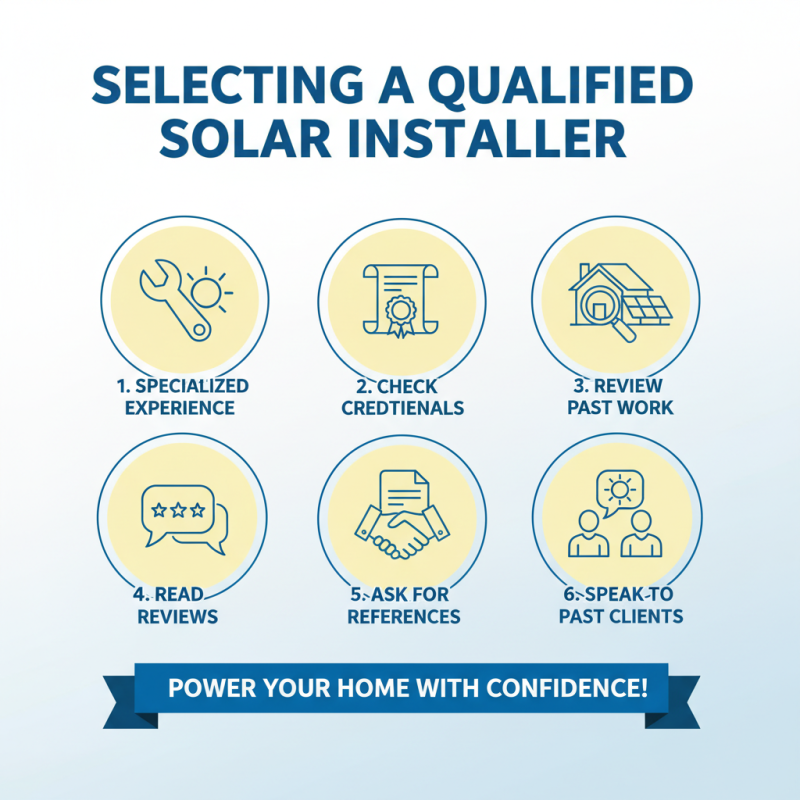
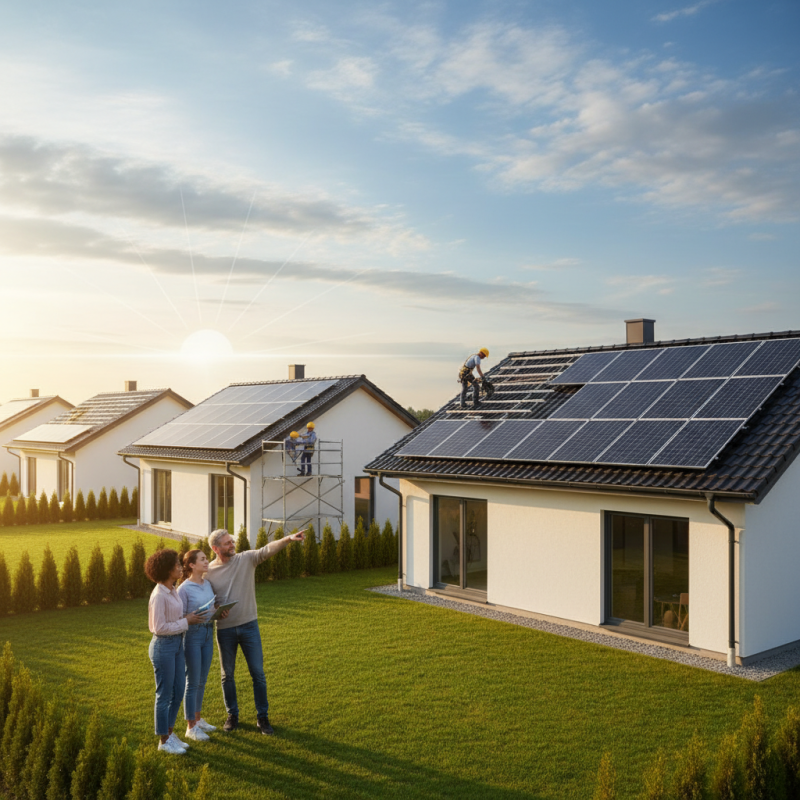
Selecting a qualified installer for your solar power system is crucial. A certified installer has the right experience and knowledge. Look for professionals who specialize in solar technology. Check their credentials and previous work. Reading reviews can reveal a lot about their service. It’s also wise to ask for references. Speaking with past clients will help gauge their satisfaction.
When comparing quotes, pay attention to details. Different installers may provide varying costs for similar services. Lower prices can seem appealing, but they might compromise quality. Make sure to ask what is included in each quote. This can include installation costs, equipment warranties, and after-service support. It’s not just about the cost; consider the long-term benefits. Cheaper options might lead to issues later. Be prepared to reflect on these factors before making a choice. Ultimately, choosing an installer requires careful consideration and thorough research.
Maintenance Best Practices for Long-Term Efficiency
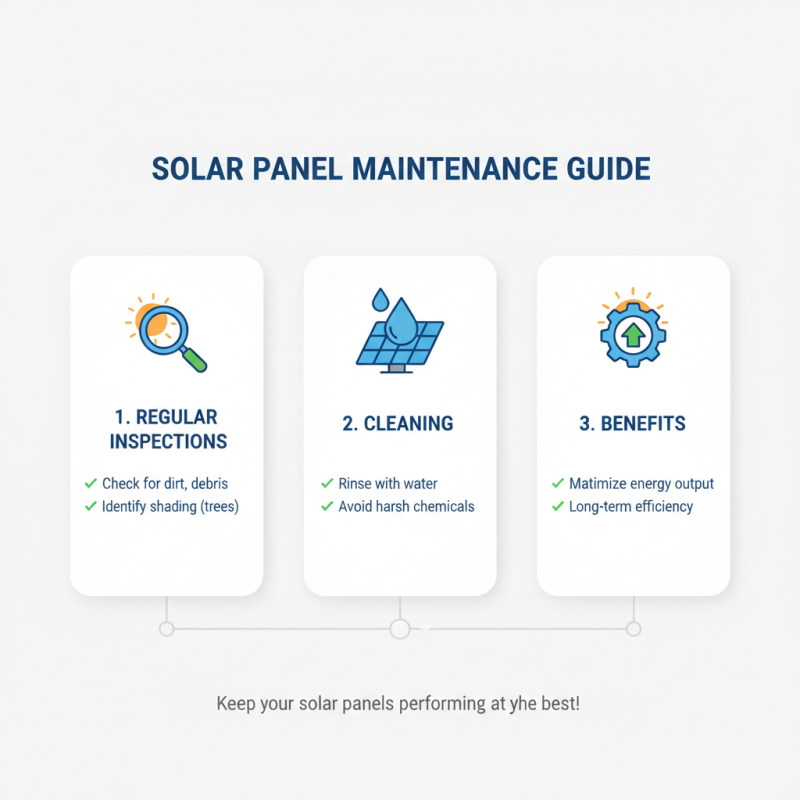
Maintaining solar panels is crucial for long-term efficiency. Regular inspections help identify issues early. Look for dirt, debris, and shading from nearby trees. These factors can reduce energy output significantly. Cleaning the panels occasionally is essential to maximize sunlight absorption. A simple rinse with water can often do the trick. However, be cautious not to use harsh chemicals that can damage the surface.
Inverter performance should also be monitored. The inverter converts solar energy into usable electricity. If it malfunctions, it can affect the entire system. Check for error codes and ensure that it is functioning efficiently. Sometimes, professional help is needed. Don't overlook the wiring connections between panels and the inverter. Loose connections can lead to safety hazards and efficiency losses.
Lastly, keeping an eye on energy production is vital. Compare the current output with historical data. If you notice a significant drop, investigate. Solar energy systems require care and attention, just like any other home installation. Proactive maintenance can prevent costly repairs in the future. Appreciate the process, but always stay alert.