How to Choose the Best Solar Power Installation for Your Home?
Choosing the best solar power installation for your home can feel overwhelming. With numerous options and technologies available, it's vital to make informed choices. This decision affects not just your energy bills but also your home's value and the environment.
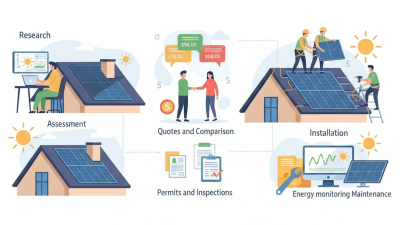
When evaluating solar power installation, consider several factors. Research local providers and their reputations. Customer reviews can offer insight into their professionalism and service quality. Understand the different types of solar panels, such as monocrystalline and polycrystalline. Each type has its advantages and limitations.
Cost is another critical factor. Compare quotes carefully. Some installations may seem cheaper initially but could lead to higher long-term costs. Ask about warranties and maintenance plans, too. A solar power installation is a significant investment, one that should not be rushed. With patience and thoughtful consideration, you’ll find the right fit for your home.
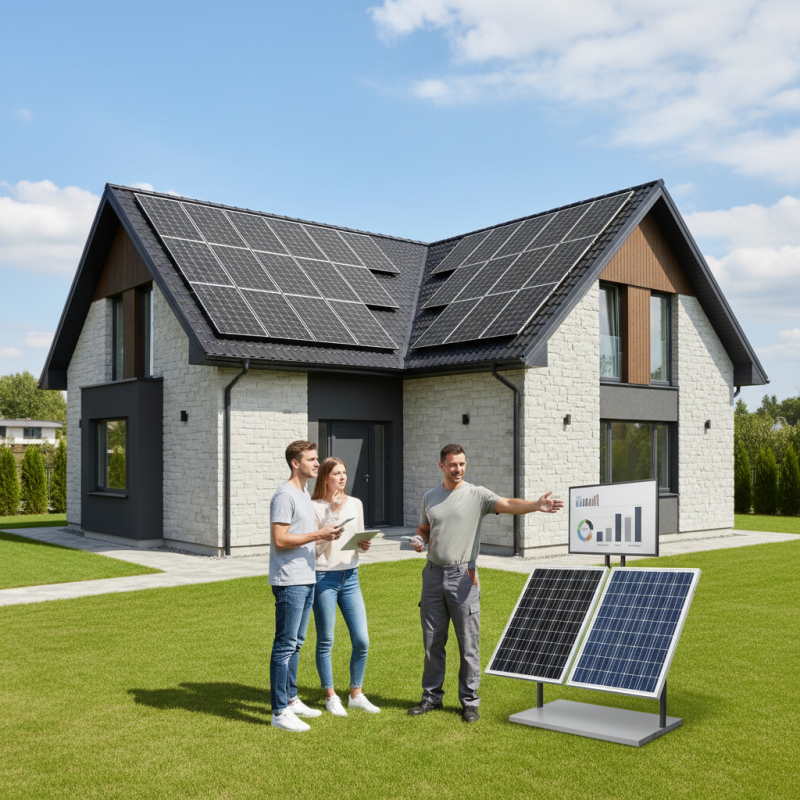
Factors to Consider When Choosing Solar Power Installations
Choosing the right solar power installation for your home involves several critical factors. Size and capacity are essential. Assess your energy needs before making a decision. A system that is too small won't meet your demands. Conversely, an oversized system could lead to unnecessary expenses. Take into account your roof space as well. The amount of available area directly influences the system size.
Cost is another important consideration. Ensure you understand all the financial aspects. Some installations may have hidden fees, impacting your budget. Explore payment options, such as loans or leasing, to find what suits you best. Research local incentives or tax credits; they can significantly reduce the overall expense.
Quality of equipment plays a big role. Cheaper components might save you money initially but could lead to higher maintenance costs later. Read reviews and ask for recommendations. Trustworthy installers should prioritize customer satisfaction. Communication is key. If your installer isn't responsive, that could be a red flag. Be wary of providers that promise quick fixes without proper assessment. Always take time to reflect on your choices. Making an informed decision today can lead to greater savings tomorrow.
Types of Solar Power Systems Available for Homeowners
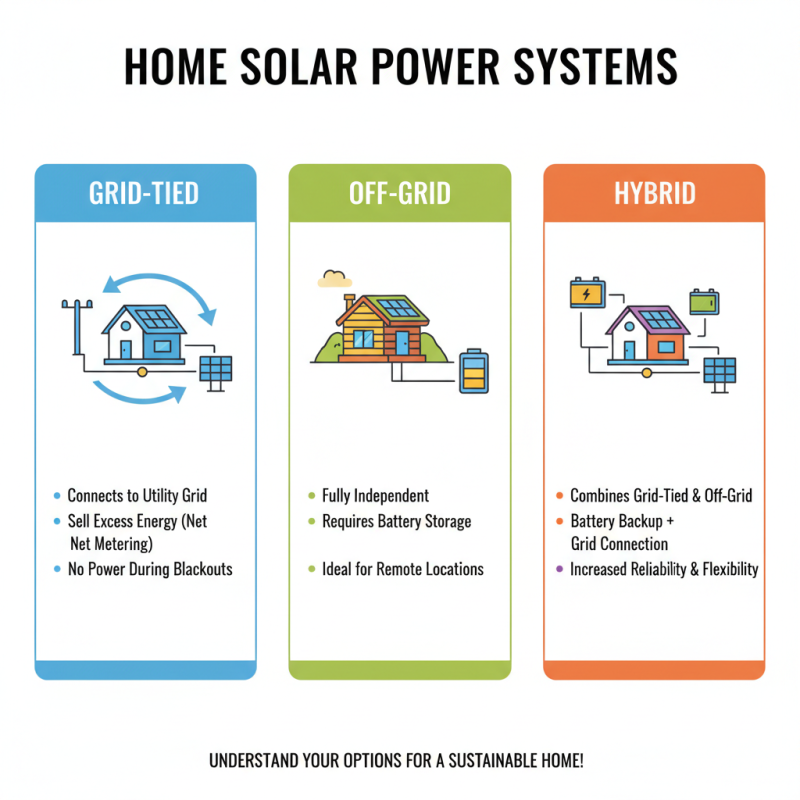
When considering solar power for your home, it's essential to understand the various types of systems available. The three main types are grid-tied, off-grid, and hybrid systems. Grid-tied systems connect directly to the local utility. They are cost-effective and allow homeowners to sell excess energy back. However, during power outages, these systems will not function.
Off-grid systems provide complete independence from the utility grid. They are ideal for remote locations where connection is challenging. But these systems require battery storage, which can be expensive. Maintaining these batteries is also crucial, and doing so can sometimes be overlooked.
Hybrid systems combine both grid-tied and off-grid elements. They offer flexibility and stability. Homeowners can rely on the grid while having a backup battery system. This setup caters to those who want security during outages but also want to save money when the sun shines.
Tips: Consider your energy needs carefully. Think about how much energy you use daily. Calculate your potential savings from choosing solar. This could guide your choice more practically. Always research local regulations too. Some regions have specific requirements or incentives for different systems.
Evaluating Solar Installation Companies and Their Credentials
When evaluating solar installation companies, credentials play a crucial role. A recent report from the Solar Energy Industries Association (SEIA) indicates that over 3 million residential solar systems have been installed in the U.S. alone. This rising trend emphasizes the importance of choosing a reputable installer. Seek companies with certifications from recognized organizations, such as the NABCEP. These credentials often reflect a higher standard of quality and professionalism.
Additionally, consider customer reviews and testimonials. Data from a consumer survey indicates that about 70% of homeowners prioritize user feedback before making decisions. A company with multiple positive reviews shows a track record of success. However, keep in mind that no installation process is flawless. Some reviews may highlight issues like delays or miscommunication. It’s essential to weigh both praise and criticism when assessing potential companies. Finding an installer with a transparent approach helps build trust and sets the stage for a successful solar project.
Understanding the Costs and Financial Incentives for Solar Energy
Understanding the costs and financial incentives for solar energy is crucial for homeowners. Installing solar panels can be a significant investment. The average cost of a residential solar system ranges from $15,000 to $25,000, depending on size and location. Yet, these numbers can be misleading without considering the available incentives.
Federal tax credits can significantly reduce these costs. For example, the Investment Tax Credit (ITC) allows homeowners to deduct 26% of their installation costs from their federal taxes. Additionally, many states offer rebates and performance-based incentives. According to the Solar Energy Industries Association, these incentives can cut upfront costs by 30% or more in some areas.
It's important to consider financing options as well. Many homeowners find solar loans or leases make the upfront costs manageable. Short-term savings often appear attractive, but they come with risks. Some can lead to high long-term debt if not carefully evaluated. Energy savings vary based on system performance and local utility rates. Researching local solar markets is essential to understand real financial impacts. Evaluating the total cost of ownership over time helps in making a well-informed decision.
How to Choose the Best Solar Power Installation for Your Home? - Understanding the Costs and Financial Incentives for Solar Energy
| Cost Component |
Average Amount ($) |
Incentives Available |
| Solar Panels |
$10,000 - $30,000 |
Federal Tax Credit, State Rebates |
| Inverter |
$1,000 - $3,000 |
Local Utility Incentives |
| Installation Labor |
$2,000 - $8,000 |
None |
| Permits and Inspection Fees |
$500 - $2,500 |
Local Grants |
| Maintenance Costs (Annual) |
$150 - $400 |
Tax Deductions |
How to Assess Your Home's Solar Energy Needs and Potential
Assessing your home’s solar energy needs starts with understanding your energy consumption. Review your electricity bills from the past year. Look for patterns and peak usage times. This helps in determining how much solar power you will require. It can be surprising to see how much energy some appliances use.
Next, evaluate your home's solar potential. Factors like roof orientation, shading, and climate play a critical role. A south-facing roof usually captures the most sunlight. If tall trees or buildings shade your roof, it can reduce efficiency. You might need to trim trees or consider alternatives, like ground-mounted systems.
Consider how much sun your location receives yearly. Some areas get more sunlight than others. This varies widely. Taking pictures of your roof throughout the seasons can help you visualize sun exposure. You might find that some areas receive less light than expected, requiring a rethink of your solar strategy. Always plan an adequate space for the setup and maintenance access. The goal is to make your system as efficient as possible, especially regarding your unique situation.