2026 How to Choose the Best Residential Solar System for Your Home?
Choosing the right residential solar system is crucial for many homeowners today. With numerous options available, it can feel overwhelming. The decision impacts not only energy bills but also environmental footprints.
Residential solar systems provide clean energy solutions. They reduce dependency on fossil fuels. However, each home has unique needs. Factors such as roof size, energy consumption, and local climate play significant roles. Weighing these elements carefully ensures better choices.
It's natural to feel uncertain. Many people face confusion over system types and installation costs. Often, homeowners overlook the importance of warranties and maintenance. Taking time to research can lead to well-informed decisions. Embrace the journey towards a sustainable energy future with your residential solar system.
Understanding Your Energy Needs for Residential Solar Systems
Understanding your energy needs is crucial when choosing a residential solar system. Start by analyzing your home’s electricity usage. According to the U.S. Energy Information Administration, the average American household uses about 877 kWh per month. By determining your monthly consumption, you can select a system that effectively covers your needs.
Consider your roof space and orientation. Not all roofs can support solar panels. Some might have too much shade or an unsuitable angle. Measuring available space will help you understand what system size you can install. A general rule is that you need about 100 square feet of roof space for each kW of solar installed.
Tip: Review your utility bills for the past year. This will provide insight into your peak consumption months. Don’t forget to consider future changes, like adding an electric vehicle or expanding your home.
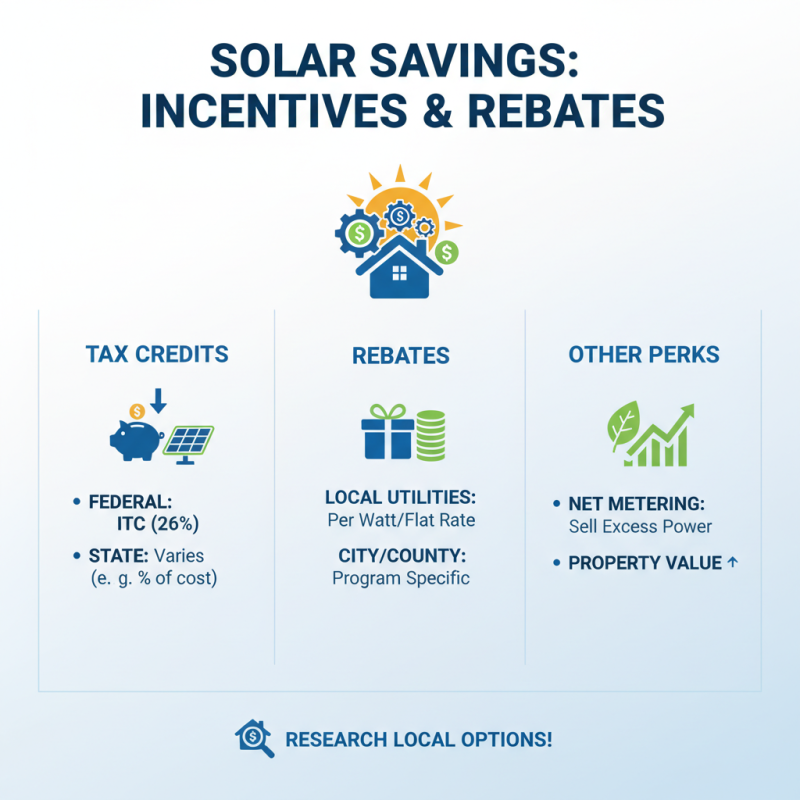
Another important factor is local solar incentives. In some areas, tax credits or rebates can significantly lower system costs. Evaluate state-specific incentives that may improve your return on investment. Researching incentives is a step many overlook, yet it can enhance the financial viability of solar.
Tip: Use online calculators to estimate potential savings. Keep an eye on energy rates in your area; rising rates can make your home solar system even more beneficial. Remember, each household is unique, and so are their energy needs.
Energy Consumption Patterns for Residential Solar Systems
This chart illustrates the estimated monthly energy consumption patterns for a typical household considering the installation of a residential solar system. Understanding these patterns can help in selecting the best solar system tailored to your home's energy needs.
Evaluating the Different Types of Solar Panels Available
When choosing the best residential solar system, understanding the types of solar panels is crucial. There are mainly three types available: monocrystalline, polycrystalline, and thin-film. Each has its pros and cons.
Monocrystalline panels are known for their efficiency and sleek design. They may fit neatly on your roof. However, they can be more expensive. Polycrystalline panels are generally more affordable. They may not offer the same level of efficiency but are still a solid choice. Thin-film panels are lightweight and flexible. They can be installed in various locations but often require more space.
Tips: Consider your roof type and size. Think about your budget, too. Space constraints can affect panel choice as well. Research warranties and durability. Not every option is perfect, and what works for one home might not suit another. It's essential to weigh these factors carefully. Would polycrystalline still be a good fit if efficiency is a priority?
Exploring your local climate is also vital. Solar panel performance can vary based on sunlight availability. A less efficient panel might work in sunny areas but struggle in cloudier regions. Reflect on your specific needs over time. You'll want panels that both meet your current requirements and adapt as those needs grow.
Assessing the Quality and Efficiency of Solar Inverters
When choosing a residential solar system, assessing solar inverters is crucial. Solar inverters convert sunlight into usable electricity. They are the heart of any solar setup. A quality inverter can significantly impact overall energy efficiency. According to the National Renewable Energy Laboratory (NREL), inverter efficiency can vary between 90% to over 98%. Slight differences can lead to substantial energy losses over time.
Consider the types of inverters available. String inverters are common, but they can have drawbacks. If one panel underperforms, it can limit the entire system. Microinverters and power optimizers can mitigate this issue by allowing each panel to operate independently. According to a report by the Solar Energy Industries Association (SEIA), systems with microinverters typically yield 5%-10% more energy. However, they may come with higher upfront costs.
Quality matters. Look for an inverter with a good warranty, ideally 10 years or more. Many users forget to check this detail. A reliable inverter can last beyond 15 years. Inverter technology evolves quickly, so what’s best today might not be in a few years. Research and consider future upgrades. Balancing efficiency, cost, and longevity in your selection is essential for maximizing your solar investment.
Exploring Financial Incentives and Rebates for Solar Installation
When considering a residential solar system, financial incentives and rebates play a crucial role. Many regions offer tax credits that significantly reduce installation costs. These incentives can range from federal to state-level programs. Homeowners should research local options thoroughly. Every little bit helps.
Unexpectedly, not all incentives are straightforward. Some rebates may have specific eligibility requirements. For instance, income levels or the type of solar panel installed can affect your eligibility. It's essential to read the fine print. Consulting with a local expert might clarify your options and prevent missed opportunities.
Remember that solar incentives can shift. How they work one year may change. Staying informed is key. Online resources can offer updates, but they might not be comprehensive. Engaging with community forums can provide recent experiences from others. Also, consider potential delays in receiving rebates; budgeting for these can mitigate stress later. A thorough approach will enable you to maximize your savings while investing in solar energy.
Choosing the Right Solar Installation Company for Your Home
Choosing the right solar installation company is crucial for maximizing your home's energy efficiency. Start by researching local companies. Look for those with positive customer reviews. Ask for recommendations from friends or family. This can give you insights into their quality.
Next, check their certifications and experience. A reputable company should be licensed and insured. They should have a robust record of completed installations. Don’t hesitate to ask about their past projects. This can help you gauge their expertise.
Consider getting multiple quotes. This way, you can compare prices and services. Some companies might offer additional features like maintenance packages. Pay attention to the details in each proposal. Does the installation include warranties? Are the materials of good quality? These factors can significantly impact your satisfaction down the line.