How to Choose the Best Solar MPPT Controller for Your Needs?
Choosing the right Solar MPPT controller can be a daunting task. Various options fill the market, each boasting diverse features. The decision hinges on your specific needs and setup. An effective controller manages electricity from solar panels efficiently. It maximizes energy capture, ensuring you get the most out of your system.
When evaluating a Solar MPPT controller, consider the overall efficiency. Some models perform better under partial shading or low-light conditions. These capabilities can be vital, depending on your location. Additionally, check the controller’s compatibility with your solar array and battery bank. An ill-suited choice may lead to inefficiencies or even damage.
Reflect on your power requirements as well. Assess how much energy you need daily. This immediate need could guide your decision. Sometimes, choices come with trade-offs. A high-end model might provide advanced features, but your budget may limit options. Finding balance requires thought and research.
Understanding the Basics of MPPT Technology in Solar Controllers
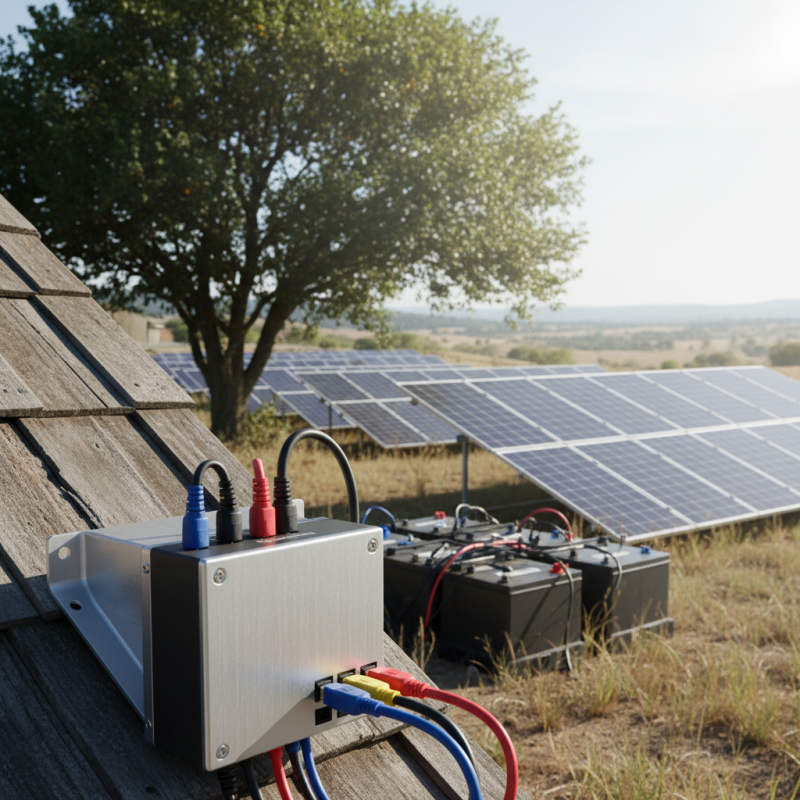
MPPT, or Maximum Power Point Tracking, is crucial in solar energy systems. It optimizes the power output from solar panels by adjusting the electrical operating point. This process ensures that your solar system generates the most energy possible, even when conditions fluctuate. MPPT controllers continuously monitor the solar panel output. They adjust the voltage and current to capture maximum power. This is particularly important on cloudy days or during early mornings.
Understanding MPPT technology can be daunting. Many users overlook its importance. Some solar systems operate with standard charge controllers that do not utilize MPPT. This choice can limit efficiency. While MPPT controllers may cost more upfront, the long-term benefits often outweigh the initial investment. They can turn excess sunlight into usable energy, which can be a game-changer, especially in less sunny areas.
Selecting the right MPPT controller involves understanding your energy needs. Consider the total wattage of your solar array. This directly influences the controller's size and capability. Not every controller fits every system. Small setups can benefit from simpler options, while larger systems need advanced models. Reflect on your energy consumption patterns. This step is essential. Without this knowledge, you may purchase a controller that underdelivers or oversells your requirements.
Identifying Your Solar Power Needs and System Requirements
Identifying your solar power needs is crucial before choosing an MPPT controller. Assess your energy consumption by examining monthly electricity bills. Identify which devices you want to power. For instance, a typical household needs between 2 to 10 kWh per day. This range helps you determine the size of the solar system required.
Consider the specific requirements for your solar setup. The solar panel capacity, battery storage, and inverter specifications should align with the MPPT controller's capabilities. Data shows that a well-sized MPPT controller can maximize energy harvest by 30% compared to PWM controllers. This translates into significant savings and better efficiency.
Tips: Analyze the installation environment. Obstacles like trees or buildings can affect sunlight availability. Always overestimate your electricity needs to account for unexpected increases in usage. Calculate potential future expansions too, as scaling up may require a more robust controller.
Key Features to Look for in a Solar MPPT Controller
When choosing an MPPT controller, consider several key features that ensure efficiency and compatibility. The input voltage range is crucial. It should match your solar panel's output. Some controllers handle varied voltages well, offering flexibility. Also, check the maximum output current. This affects how much energy the system can deliver.
Another important aspect is the efficiency rating. Higher efficiency means more power converted from solar energy. Look for controllers with at least 95% efficiency. Additionally, features like temperature compensation and load management can help maximize battery life. These functions adjust charging based on temperature fluctuations, optimizing performance.
Monitoring options also play a significant role. Some controllers offer Bluetooth or app connectivity. This allows real-time monitoring of energy production and usage. However, not all models provide intuitive interfaces. You may find yourself navigating complex menus. Ultimately, picking the right MPPT controller involves careful analysis of your needs and potential future upgrades.
Comparing Different Brands and Models of MPPT Controllers
Choosing the right solar MPPT controller is crucial. Many brands offer various features. Load-following capability is common, but efficiency varies. Some controllers boast up to 98% peak efficiency. This can significantly impact your overall energy output.
When comparing models, consider voltage ratings. Many options cover a range from 12V to 48V systems. However, some controllers may not perform well under lower voltages. This can be a big drawback for smaller setups.
Customer reviews often highlight build quality issues. Some units fail within a year. Check the warranty length before purchasing. Researching these aspects can lead to better energy management. Don't overlook the importance of thermal management. Controllers can overheat if not properly rated. This can lead to reduced performance and lifespan.
How to Choose the Best Solar MPPT Controller for Your Needs?
| Model | Rated Input Voltage (V) | Max Output Current (A) | Efficiency (%) | Features |
| Model A | 12/24 | 30 | 95 | Bluetooth, LCD Display |
| Model B | 12/24/48 | 40 | 98 | Wi-Fi, Remote Monitoring |
| Model C | 12/24 | 20 | 92 | MPPT, Overload Protection |
| Model D | 12/24/48 | 50 | 97 | Multiple Load Control, LCD |
| Model E | 12/24 | 25 | 93 | Compact Design, USB Port |
Budget Considerations When Selecting a Solar MPPT Controller
When selecting a solar MPPT controller, budget considerations play a crucial role. It's essential to understand your needs and the features that matter most. High-quality controllers can vary significantly in price. While you may want to save money, investing in a reliable unit can pay off in the long run. Cheaper options might lack essential features or durability, leading to regrets later.
Here are some tips to consider while budgeting:
- Determine your power requirements. Calculate how much energy you need for your solar setup. This helps narrow down your options.
- Research the average market prices. Know what to expect. This prevents you from overspending on features you may not need.
- Consider additional costs. Installation, maintenance, and potential upgrades can impact your budget. Don't overlook these factors.
In many cases, a mid-range controller offers the best balance between cost and functionality. Spending too little may lead to disappointing performance. On the other hand, overly expensive models might include features you won’t utilize. Finding that sweet spot is essential.
Reflect on your long-term goals. Will your power needs change? Setting aside a little extra budget might be wise. Ultimately, a well-chosen MPPT controller can enhance your solar power efficiency, saving money over time.